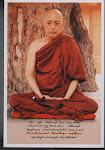
La comunidad monacal budista, el Sangha, fue creada por el Buda para esas personas que quisieron dedicar sus vidas totalmente hacia la realización de esclarecimiento. El estilo de vida monacal permite a uno dejar atrás los cuidados y enredos de vida laica y enfoque casi todos el tiempo de uno y energía en la meta de liberación. También ofrece la oportunidad de vivir en soledad, un factor importante para el desarrollo de estados profundos de meditación y sabiduría. El Buda también instituyó un código detallado y refinó de conducta y disciplina para ayudar el monastics en su cultivo de virtud.
Entre el monastics budista y Budista las personas ponían, hay una relación de inter-dependencia. El Sangha confía en los Budistas laicos para sus necesidades materiales y a cambio los monjes y monjas proporcionan guía espiritual y el apoyo moral a la comunidad laica. Con tal de que el Sangha continúe al practise de acuerdo con el código de disciplina monacal y disputas para el logro de esclarecimiento, Budismo será una religión fuerte y vibrante.
ဆက္လက္ဖတ္ရႈရန္

Showing posts with label What is Buddhism?. Show all posts
Showing posts with label What is Buddhism?. Show all posts
Tuesday, March 23, 2010

Wednesday, March 17, 2010
What is Buddhism? Part 9 (Spanish Version)
La meditación se refiere a la actividad mental de sostener el conocimiento consciente en una cosa, percepción, concepto, proceso o sensación. Por ejemplo, éste puede ser el proceso de respirar, pueden hacerse un objeto externo, el concepto y emoción de amoroso-bondad, una palabra significante, una sensación física o la percepción de Meditación de la temporalidad en cualquier postura, pero los más comunes regresan estar sentado cruz-de patas y ambulantes. Cuando la atención atenta a se pone en aumento continua, los dispersamos y la energía distraída de la mente se vuelven más enfocadas y aclaran. El acto de sostener el conocimiento calma y alivia el cuerpo e importa, mientras el enfoque de atención da energía a y aclara a la mente.
El más profundo la meditación se vuelve, el más callado, todavía y dichoso se siente. Esto limpió y purificó que el conocimiento, desarrollado a través de entrenamiento repetido, rinde claridad extraordinaria de mente. Uno empieza a ver las cosas cuando son de verdad, el beyound las limitaciones de percepciones condicionado y los modelos del pensamiento habituales. Como uno ve claramente, la sabiduría nace y así la serenidad y forma de visión un par inseparable que es gradualmente cultivado a través de la meditación.
ဆက္လက္ဖတ္ရႈရန္
Tuesday, January 19, 2010
What is Buddhism? Part 8 (Spanish Version)
El Buda advirtió contra la fe ciega y pregunta sabia animada y tolerancia. En uno de sus charlas señaló el peligro basando las creencias de uno meramente en el criterio siguiente: rumor, tradición, porque muchos que otros dicen que así es, la autoridad de escrituras antiguas, debido a deducción lógica o fuera de respeto para los maestros de uno, superiores o sacerdotes. En cambio el viajero en el camino de pregunta debe mantener a una mente abierta y completamente debe investigar su o su propia experiencia de vida. Cuando uno ve para a sí mismo que una vista particular o la creencia es ambos razonable y de acuerdo con la experiencia de uno, llevando a felicidad para ambos a sí mismo y otros, sólo entonces deba esa vista se adopte. Esta norma aplica claro a las propias enseñanzas del Buda. Deben parecerse cuidadosamente en y examinaron con la claridad generada por meditación. Cuando la meditación ahonda, la visión directa en la naturaleza de vida crece. Sólo a estas alturas haga que las enseñanzas ofrecen la beatitud de liberación.
ဆက္လက္ဖတ္ရႈရန္
ဆက္လက္ဖတ္ရႈရန္
Thursday, December 31, 2009
What is Buddhism? Part 7 (Spanish Version)
El Buda enseñó que no hay ningún centro esencial o permanente a un ser
viviente que podría ser considerado el verdadero ego de uno o alma. Lo que
parece ser una persona individual realmente es un proceso cambiante de reserva mental y las calidades físicas que combinan temporalmente de una manera particular. A través de la atadura posesiva, la mente identifica con parte o todo este proceso y esto da lugar al sentido de ego, 'yo' y 'mío.' De hecho, se surgen todos los fenómenos, animado o inanimado, dependientemente de las causas y condiciones. En un estado constante de flujo, todas las cosas están vacías de existencia inherente independiente y la integridad de realidad es un flujo continuo de interconectó, causalmente los eventos condicionado levantándose y falleciendo sin embargo en el Renacimiento del momento presente, todavía ocurre sin una alma. Considere el símil de una vela que quema bajo y sobre salir.
Una nueva vela se enciende entonces del viejo. Aunque la vela vieja sale, la nueva vela quema ahora brillantemente. ¿Qué cruzó la vela vieja al nuevo? Había un eslabón causal, pero ningún 'cosa' fue Semejantemente por, había un eslabón causal entre uno es pasado y la vida presente, pero ninguna alma fue por.
El Buda enseñó que precisamente es esta equivocación profunda, la ilusión de un ego que es la causa de la raíz de todo el sufrimiento humano. La ilusión de mismos manifiestos como el ego y la función imparable natural del ego es controlar. Los egos grandes quieren controlar el mundo, los medio egos intentan controlar sus ambientes inmediatos de casa, la familia y lugar de trabajo y todo los egos se esfuerzan por controlar lo que asumen para ser sus propios cuerpos y mentes. Este esfuerzo por controlar lleva a la atracción y aversión que por consiguiente proliferan para adquirir las posesiones, manipula otros y se aprovecha del ambiente.
Aunque el sentido de ego busca su propia felicidad, su deseo insaciable produce el descontento repetidamente. Con tal de que uno identifique con somethings como a sí mismo, el resultado inevitable es una falta de armonía exterior o el cumplimiento interno. Sólo a través de marcada visión basada en meditación profunda enlate este espejismo se vea claramente para lo que es de verdad. Sólo entonces pueda que uno sabe felicidad perfecta.
ဆက္လက္ဖတ္ရႈရန္
Tuesday, December 29, 2009
What is Buddhism? Part 6 (Spanish Version)
Budismo s un no-theistic la religión en ese uno no se rinde culto a un Dios, creador o Progreso del salvador en el camino budista al esclarecimiento no es dependiente en una fuerza externa pero en el propio esfuerzo de uno. La cosmología budista reconoce la existencia de reinos celestiales y los seres divinos que viven hay muy similar a qué personas asociaría con dioses o Dios. Sin embargo, debido a la ley fundamental de temporalidad estos seres están incluso sujeto a fallecer y ser renazca, todavía cogió por el ciclo de nacimiento y muerte y por consiguiente no tomado como un último refugio.
ဆက္လက္ဖတ္ရႈရန္
ဆက္လက္ဖတ္ရႈရန္
Saturday, December 19, 2009
What is Buddhism? Part 5 (Spanish Version)
Renacimiento
El Buda recordó sus vidas pasadas. Hay hoy incluso monjes, monjas y otros que pueden recordar sus existencias anteriores. Tal una memoria fuerte es un resultado de meditación profunda y el entrenamiento mental. Para aquéllos que pueden revocar sus vidas pasadas, la idea de renacimiento se vuelve un hecho establecido que pone esta vida presente en una perspectiva significante.
La ley de kamma sólo puede entenderse totalmente en el armazón de muchos
vidas, porque a veces toma este largo para el kamma producir su fruta.
El renacimiento no está meramente limitado al reino humano. El Buda enseñó que el reino de seres humanos es pero uno entre muchos. Hay reinos de cielos, infiernos, animales y fantasmas además. Dependiendo del kamma uno ha aumentado, uno puede ser renazca en cualquiera de éstos. Entendiendo esto plantea un sentido de empatía y respeta para las vidas de todos los seres.
Porque ningún reino es permanente, el ciclo repetitivo de nacimiento y muerte y el vagar en del reino al reino es inherentemente el unsatisfying. En el futuro uno busca una manera. Siguiendo el Camino Ocho veces Noble a su culminación de esclarecimiento, el proceso de cesaciones del renacimiento completamente.
ဆက္လက္ဖတ္ရႈရန္
Tuesday, December 15, 2009
What is Buddhism? Part 4 (Spanish Version)
La Ley Natural De Kamma
El Buda dijo, "Monjes, el kamma es la intención." Según la ley natural de kamma (o karma), hay resultados ineludibles de nuestras acciones intencionales. Ciertos actos, las cosas dijeron o pensaron llevará a herir otros o dañar a sí mismo si la intención detrás de ellos es insalubre. Esto 'el kamma malo' es motivado por deseo egoísta, enojo o engaño. Porque el resultado es que las personas desagradables y dolorosas, sabias no siguen las intenciones impuras. Hay las acciones, discurso y pensamientos que provienen de de las intenciones sanas semejantemente. Esto 'el kamma bueno' lleva al bienestar de a sí mismo y otros. Motivado por generosidad, compasión, la claridad de entender y otros estados positivos de mente, las personas sabias cultivan y siguen en su puro intetions.Mucho, aunque no todos, de qué una experiencias el resultado del kamma anterior de uno es. Así cuando uno encuentra a sí mismo en una situación desagradable, en lugar de proyectando el reproche en otros uno puede examinar la propia conducta del pasado de uno y puede asumir la responsabilidad por las causas que llevaron hasta la situación. Igualmente cuando uno está sintiéndose feliz, en lugar de tomarlo para concedió uno parece entender las causas anteriores y condiciones sobre las que lo trajeron. Entendiendo cómo felicidad origina anima el kamma bueno extenso.
El Buda señaló que ningún ser, divino o no, tiene el poder para detener las consecuencias de bueno o el kamma malo. Uno siega exactamente que qué uno
sembra. Así si quiere ser adinerado, entonces sea generoso, trabajador y fidedigno. Si quiere ir al paraíso, sea poderoso, sea amable y medite. Si quiere ser iluminado, desarrolle visión basada en paz profunda de mente.
El único escape de los resultados de kamma es el esclarecimiento. Hasta entonces sin embargo, es posible atenuarse la severidad de las consecuencias de kamma malo aumentando el bueno. El Buda dio el símil de una cuchara de sal mezclado en un vaso de agua comparado a una cuchara de sal mezclada en un río grande. El vaso de agua se pone impotable mientras el sabor del agua en el río es escasamente afectado. Semejantemente, los resultados de kamma malo para una persona que sólo hace una cantidad pequeña de kamma bueno son muy dolorosos, mientras el resultado del mismo kamma malo para una persona que habitualmente hace mucho kamma bueno es mucho menos severo.
Entendiendo esta ley natural de causa y efecto lleva a una vida ética, compasiva y sabia. Además, un abrazo más ancho de la ley de kamma llevaría cualquier rural hacia una sociedad más fuerte, más afectuosa y poderosa.
ဆက္လက္ဖတ္ရႈရန္
Thursday, December 10, 2009
What is Buddhism? Part 3 (Spanish Version)
La Media Manera
El camino al fin de todo el sufrimiento se llama la Media Manera porque evita los dos extremos de mismo-indulgencia y mismo-tormento. El tal comportamiento extremo no lleva a paz de mente. Esta senda consiste en cultivar virtud, serenidad meditativa y sabiduría y se elabora más allá como el Camino Ocho veces Noble:1. La perfección de entender: vista del derecho de las verdades básicas de existencia.
2. La perfección de intención: pensamientos motivados por amoroso-bondad, compasión y renuncia.
3. La perfección de discurso: verdadero, armonioso, manso y significante.
4. La perfección de comportamiento: no-violencia, no robando y la conducta sexual responsable. 5. La perfección de empleo: ganándose la vida eso en cierto modo no daña o hazaña otros o a sí mismo.
6. La perfección de esfuerzo: cultivar y mantener estados sanos de mente mientras superando los estados insalubres y manteniéndolos a raya.
7. La perfección de conocimiento consciente: mindfulness de unos el cuerpo, sentimientos, mente y objetos de mente.
8. La perfección de concentración meditativa: unificación profunda, paz y pureza de mente.
Cuando se traen todos los ocho factores del camino a madurez, uno penetra la verdadera naturaleza de existencia con visión y siega la fruta de las enseñanzas del Buda: sabiduría perfeccionada y la liberación inquebrantable.
ဆက္လက္ဖတ္ရႈရန္
Thursday, December 3, 2009
What is Buddhism? Part 2 (Spanish Version)
Cuatro Verdades Nobles
La enseñanza central del Buda alrededor del que todas sus otras enseñanzas revuelven, es las Cuatro Verdades Nobles:
1. La vida envuelve el sufrimiento. Todos los seres están sujeto a la vejez, enfermedad y muerte. Experimentarán alguna desilusión, incomodidad, tristeza, ansiedad o dolor inevitablemente.
2. La causa de la raíz de sufrir está pidiendo para el placer sensual, para existencia, para no-existencia o para las cosas ser diferente que son. Pidiendo se alimenta por gusta y detesta, manejado por la ilusión de 'yo' y 'mío', qué es a su vez debido a entender mal la verdadera naturaleza de realidad.
3. Fines sufridos con el fin de pedir. Éste es el logro de esclarecimiento, Nibbana (o Nirvana). El esclarecimiento es el permitiendo completo va de la ilusión de un ego permanente e independiente o alma. Una persona ilustrada se llama un Arahant.
4. El esclarecimiento se logra a través de un entrenamiento gradual, un camino llamó la Media Manera o el Camino Ocho
veces Noble.
Budismo es una religión realista en eso enfrenta hasta el hecho de vida muchos imperfecciones y optimista en eso ofrece una solución práctica: esclarecimiento en esta misma vida.
Porque todas las cosas que se levantan de una causa están en un estado constante de cambio, son inherentemente incapaces proporcionar felicidad permanente o la satisfacción fiable. Asiendo y aferrándose hacia cualquier aspecto de primacías de experiencia a la fricción, tensión o desilusión cuando esas cosas, las personas o situaciones se marchitan y desaparecen. Con tal de que sufriendo se vea como algo antinatural o anormal eso será temido, se evitará o se rechazará, será imposible de desarraigar sus causas y vivir una vida verdaderamente feliz. Al grado que la naturaleza sutil y todo-penetrante de sufrir se reconoce, uno puede aceptar y puede ser libre de él. Esto es por qué la reflexión en sufrir se da énfasis a como la llave a la última liberación, y ésos que han comprendido el esclarecimiento son ejemplos inspiradores de felicidad profunda, amoroso-bondad y compasión.
ဆက္လက္ဖတ္ရႈရန္
Monday, November 2, 2009
What is Buddhism? Part 1 (Spanish Version)
Cuál Es Budismo¿
Introducción
Para más de 2,500 años, la religión que sabemos hoy como Budismo ha sido la inspiración primaria detrás de muchos civilizaciones exitosas, una fuente de grandes logros culturales y una guía profunda al mismo propósito de vida para millones de las personas. Hoy, los números grandes de hombres y mujeres de los fondos diversos a lo largo del mundo están siguiendo las enseñanzas del Buda. ¿Así quién el Buda era y lo que es sus enseñanzas?
El Buda
El hombre que era volverse el Buda nació hace 2,600 años Siddhattha Gotama alrededor de como príncipe de un territorio pequeño cerca de lo que es ahora la frontera del indio-nepalés. Aunque se levantó en consuelo espléndido, mientras disfrutando el estado aristocrático, ninguna cantidad de riqueza material y el placer sensual podría ocultar las imperfecciones de vida del extraordinariamente el hombre joven inquisitivo. Así a la edad de 29 dejó riqueza y trasero de la familia para los bosques remotos y montañas de India Nordeste para buscar una respuesta duradera a los problemas de vida estudió bajo los maestros del religous más sabios y filósofos de su tiempo, mientras aprendiendo todos que tenían que impartir, pero no podrían proporcionar las respuestas que estaba buscando. Se esforzó entonces en el camino de mismo-mortificación, toma que la práctica a los extremos de ascetismo, pero todavía sin efecto.
Por la edad de 35 comprendió que ni mismo-indulgencia ni mismo-mortificación estaban llevándolo a las respuestas para las que estaba pareciendo. Entonces, en la noche de la luna llena de mayo, habiendo vuelto fuera de estos dos extreames, se sentaba bajo las ramas de lo que está ahora conocido como el Árbol de Bodhi en un bosquecillo apartado por los bancos de un río y desarrolló a su mente en estados profundos, luminosos y tranquilos de meditación. Con la claridad extraordinaria y el marcado poder del penetrative que son generados a través de quietud interna, se centró su atención en investigar la naturaleza de existencia, su causa y su cesación. A través de esta contemplación del ser de realidad, logró el despertar supremo, la experiencia de esclarecimiento. De ese punto en él estaba conocido como el Buda, el Despertado.
Su esclarecimiento consistió en la visión más profunda y omnímoda en la naturaleza del cuerpo, mente y todos los fenómenos. Este despertar no era una revelación de un ser divino, pero un descubrimiento hizo solo basado en los niveles más profundos de mediación. Era una visión que liberó a su mente de las raíces de todo el sufrimiento: deseo egoísta, enojo y engaño. Esta experiencia eliminó todos los rastros de conflicto interno y disgusta, mientras revelando paz del unshakeable. Había encontrado la última solución a los problemas de vida que había buscado y el resultado era felicidad incomparable, sublime, verdadera.
Haber comprendido la meta de esclarecimiento perfecto, el Buda se pasó los próximo 45 años en enseñando un camino de entrenar y desarrollo que, cuando con precisión y diligentemente siguió, llevará a cualquiera sin tener en cuenta la raza, clase o género al mismo despertar. Estas enseñanzas se llaman el Dhamma, mientras significando la naturaleza de todas las cosas o las verdades subyacentes de existencia literalmente. Lo siguiente es una apreciación global breve de las enseñanzas del Buda.
(ser continuado....)
ဆက္လက္ဖတ္ရႈရန္
Monday, October 19, 2009
What is Buddhism? (အပိုင္း ၁၂)
Buddhism In The World Today
At present, Buddhism continues to gain an ever-widening acceptance in countries and societies far beyond its original home. Many people throughout the world, through their own careful choice, are adopting Buddhism's peaceful, compassionate and responsible ways as guiding principles in their lives. Meditation has always been at the very heart of the Buddhist path, and as its proven benefits to both mental and physical well-being are becoming more widely known, meditation grows increasingly popular. When stress is shown to be such a major cause of human suffering in modern society, the quieting practice of meditation is even more valued.
The world in the 21st century is too small and vulnerable for us to live in isolation or conflict. In all its long history no war has ever been fought to spread the Buddha's teachings. Tolerance, loving-kindness and forgiveness, essential for world harmony and individual happiness, are generated and developed through virtuous behavior and more deeply through Buddhist meditation. When put into practice in everyday life, the path of the Buddha gradually cultivates the heart with harmlessness. This is then offered to all beings, especially oneself. There is no place for dwelling in guilt or self-hatred in Buddhism.
The down-to-earth teachings and practices of the Buddha culminate in pure joy, unshakable serenity and penetrating wisdom, qualities identified with Buddhism for over 2,500 years and sorely needed in today's world. This gentle and sagacious peace of enlightenment is what makes the Buddha's message timeless and always vitally relevant.
THE END
၀ ၀ ၀ ၀ ၀ ၀ ၀ ၀ ၀ ၀ ၀ ၀ ၀ ၀ ၀ ၀ ၀ ၀ ၀ ၀ ၀ ၀ ၀ ၀ ၀ ၀ ၀ ၀ ၀ ၀ ၀ ၀ ၀ ၀
ကၽြန္ေတာ္ အမ မသစၥာအလင္း (www.thitsaralin.com) ဆီက ေမြးေန ့လက္ေဆာင္ရခဲ့တဲ့ ဓမၼစာအုပ္ (၃)အုပ္ထဲက ပထမစာအုပ္ ဒီမွာျပီးဆံုးပါတယ္ခင္ဗ်ား။
မၾကာမီရက္ပိုင္းအတြင္းတြင္ What is Buddhism? စာအုပ္ပါ အခန္းမ်ားအားလံုးကို စပိန္ဘာသာ ျဖင့္ ျပန္ဆိုျပီး ေဖာ္ျပေပးသြားမည့္အေၾကာင္း သတင္းေကာင္း ပါးအပ္ပါတယ္ခင္ဗ်ား။ စပိန္ဘာသာစကားသံုးေသာ နိဳင္ငံျခားသားမ်ားအား ဗုဒၶဘာသာအေၾကာင္း ျဖန္ ့ေ၀ေျပာၾကား သာသနာျပဳလိုတဲ့ ဓမၼမိတ္ေဆြမ်ားအတြက္ အေထာက္အကူတစ္ခု ျဖစ္နိဳင္လိမ့္မယ္လို ့ ယံုၾကည္ ေမွ်ာ္လင့္မိပါတယ္။
ေလးစားစြာျဖင့္
၀ိမုတၱိသုခ
ဆက္လက္ဖတ္ရႈရန္
Tuesday, October 13, 2009
What is Buddhism? (အပိုင္း ၁၁)
Types Of Buddhism
Buddhism flourished in India after the passing away of the Buddha and spread peacefully southward as far as Sri Lanka, northward to the Himalayas, westward to what is now Iran and Afghanistan and eastward to China, Sumatra and Java. After 500 years a new sect called Mahayana emerged, distinguishing itself from the lineage presently known as Theravada. Mahayana tended to be more liberal, freely adapting to new cultures, while Theravada was more conservative, attempting to maintain continuity from the time of the Buddha. With the arrival of new scriptures, some Mahayana schools depicted the Buddha as a god and replaced the goal of attaining Arahantship with the Ideal of the Bodhisattva, a person striving to become a Buddha in order to help as many beings as possible. The Theravada school preserved and looked to the original teachings and lifestyle of the Buddha as its guide.
With the Muslim invasions of the Indian sub-continent in the 11th and 12th centuries, Buddhism was violently suppressed and eventually eradicated in its native country. By that time however, Mahayana had taken root in China and from there spread to Japan, Korea and Vietnam. The most popular of the many different sects of those countries is Zen Buddhism. Mahayana also spread to Tibet, incorporated the local animist religion of Bon, and then spread further to Mongolia and Bhutan. The most well-known Tibetan monk and Nobel Peace Prize laureate is the Dalai Lama. Theravada established itself mainly in Sri Lanka, Myanmar (Burma), Thailand, Laos and Cambodia. Its scriptures are known as the Pali Canon, the oldest complete Indic record of what the Buddha taught.
(to be continued.....)
What is Buddhism? (အပိုင္း ၁ မွ အပိုင္း ၁၀ ထိ)
ဆက္လက္ဖတ္ရႈရန္
Tuesday, October 6, 2009
What is Buddhism? (အပိုင္း ၁၀)
The Buddhist Monastic Order
The Buddhist monastic community, the Sangha, was created by the Buddha for those people who wanted to fully dedicate their lives toward the realization of enlightenment. The monastic lifestyle enables one to leave behind the worries and entanglements of lay life and focus almost all one's time and energy on the goal of liberation. It also offers the opportunity to live in solitude, an important factor for the development of deep states of meditation and wisdom. The Buddha also instituted a detailed and refined code of conduct and discipline to aid monastics in their cultivation of virtue.
Between Buddhist monastics and Buddhist lay people, there is a relationship of inter-dependence. The Sangha relies on the lay Buddhists for their material needs, and in return the monks and nuns provide the lay community with spiritual guidance and moral support. As long as the Sangha continues to practise in accordance with the code of monastic discipline and strives for the attainment of enlightenment, Buddhism will be a strong and vibrant religion.
(to be continued.....)
What is Buddhism? (အပိုင္း ၁ မွ အပိုင္း ၉ ထိ)
ဆက္လက္ဖတ္ရႈရန္
Monday, September 28, 2009
What is Buddhism? (အပိုင္း ၉)
What is Meditation?
Meditation refers to the mental activity of sustaining conscious awareness on one thing, perception, concept, process or sensation. This may be, for example, the process of breathing, an external object, the concept and emotion of loving-kindness, a meaningful word, a physical sensation or the perception of impermanence Meditation can be done in any posture, but the most common ones are sitting cross-legged and walking back and forth. As mindful attention becomes increasingly continuous, the dispersed and distracted energy of the mind becomes more focused and clear. The act of sustaining awareness calms and soothes both the body and mind, while the focusing of attention energizes and brightens the mind.
The deeper the meditation becomes, the more quiet, still and blissful one feels. This cleansed and purified awareness, developed through repeated training, yields extraordinary clarity of mind. One begins to see things as they truly are, beyound the limitations of conditioned perceptions and habitual thought patterns. As one sees clearly, wisdom is born, and thus serenity and insight form an inseparable pair that are gradually cultivated through meditation.
(to be continued.....)
ဆက္လက္ဖတ္ရႈရန္
Monday, September 21, 2009
What is Buddhism? (အပိုင္း ၈)
A Path Of Inquiry
The Buddha warned against blind faith and encouraged wise inquiry and tolerance. In one of his talks he pointed out the danger in basing one's beliefs merely on the following criteria: hearsay, tradition, because many others say it is so, the authority of ancient scriptures, due to logical deduction, or out of respect for one's teachers, elders or priests. Instead the traveler on the path of inquiry should maintain an open mind and thoroughly investigate his or her own experience of life. When one sees for oneself that a particular view or belief is both reasonable and in accordance with one's experience, leading to happiness for both oneself and others, only then should that view be adopted. This standard of course applies to the Buddha's own teachings. They should be looked into carefully, and examined with the clarity generated by meditation. As meditation deepens, direct insight into the nature of life grows. Only at this point do the teachings offer the bliss of liberation.
(to be continued.....)
ဆက္လက္ဖတ္ရႈရန္
Saturday, September 19, 2009
What is Buddhism? (အပိုင္း ၇)
The Illusion Of A Permanent Self Or Soul
The Buddha taught that there is no essential or permanent core to a living being that could be considered one's true self or soul. What appears to be an individual person is actually a changing process of mental and physical qualities combining temporarily in a particular way. Through possessive attachment, the mind identifies with part or all of this process, and this gives rise to the sense of self, 'me' and 'mine'. In fact, all phenomena, animate or inanimate, are dependently arisen from causes and conditions. In a constant state of flux, all things are empty of independent inherent existence and the entirety of reality is a continuous flow of interconnected, causally conditioned events arising and passing away in the present moment
Rebirth however, still occurs without a soul. Consider the simile of a candle burning low and about to go out. A new candle is then lit from the old one. Though the old candle goes out, the new candle now burns brightly. What went across from the old candle to the new? There was a causal link, but no 'thing' went across Similarly, there was a causal link between one's past and present life, but no soul went across.
The Buddha taught that it is precisely this deep misunderstanding, the illusion of a self, that is the root cause of all human suffering. The illusion of self manifests as the ego, and the natural unstoppable function of the ego is to control. Big egos want to control the world, average egos attempt to control their immediate surroundings of home, family and workplace, and all egos strive to control what they assume to be their own bodies and minds. This attempt to control leads to attraction and aversion which consequently proliferates to acquire possessions, manipulate others and exploit the environment.
Although the sense of self seeks its own happiness, its insatiable craving repeatedly produces discontent. As long as one identifies with somethings as oneself, the inevitable result is a lack of outer harmony or inner fulfillment. Only through sharp insight based on profound meditation can this mirage be clearly seen for what it truly is. Only then can one know perfect happiness.
(to be continued.....)
What is Buddhism? (အပိုင္း ၁)
What is Buddhism? (အပိုင္း ၂)
What is Buddhism? (အပိုင္း ၃)
What is Buddhism? (အပိုင္း ၄)
What is Buddhism? (အပိုင္း ၅)
What is Buddhism? (အပိုင္း ၆)
ဆက္လက္ဖတ္ရႈရန္
Tuesday, September 15, 2009
What is Buddhism? (အပိုင္း ၆)
Do Buddhists Believe In A God?
Buddhism s a non-theistic religion in that one does not worship a God, creator or savior Progress on the Buddhist path to enlightenment is not dependent on an external force but on one's own effort. Buddhist cosmology does recognize the existence of heavenly realms, and the divine beings living there are very similar to what people would associate with gods or God. Because of the fundamental law of impermanence however, even these beings are subject to passing away and being reborn, still caught in the cycle of birth and death, and therefore not taken as an ultimate refuge.
(to be continued.....)
What is Buddhism? (အပိုင္း ၁)
What is Buddhism? (အပိုင္း ၂)
What is Buddhism? (အပိုင္း ၃)
What is Buddhism? (အပိုင္း ၄)
What is Buddhism? (အပိုင္း ၅)
ဆက္လက္ဖတ္ရႈရန္
Monday, August 31, 2009
What is Buddhism? (အပိုင္း ၅)
Rebirth
The Buddha remembered his past lives. Even today there are monks, nuns and others who can remember their previous existences. Such a strong memory is a result of deep meditation and mental training. For those who can recall their past lives, the idea of rebirth becomes an established fact which puts this present life in a meaningful perspective.
The law of kamma can only be fully understood in the framework of many lifetimes, because sometimes it takes this long for kamma to bear its fruit.
Rebirth is not limited merely to the human realm. The Buddha taught that the realm of human beings is but one among many. In addition there are realms of heavens, hells, animals and ghosts. Depending on the kamma one has accumulated, one may be reborn into any of these. Understanding this brings up a sense of empathy and respect for the lives of all beings.
Because no realm is permanent, the repetitive cycle of birth and death and the wandering on from realm to realm is inherently unsatisfying. Eventually one seeks a way out. By following the Noble Eightfold Path to its culmination of enlightenment, the process of rebirth ceases completely.
(to be continued.....)
What is Buddhism? (အပိုင္း ၁)
What is Buddhism? (အပိုင္း ၂)
What is Buddhism? (အပိုင္း ၃)
What is Buddhism? (အပိုင္း ၄)
ဆက္လက္ဖတ္ရႈရန္
Monday, August 24, 2009
What is Buddhism? (အပိုင္း ၄)
The Law Of Kamma
The Buddha said, "Monks, kamma is intention." According to the natural law of kamma (or karma), there are inescapable results of our intentional actions. Certain acts, things said or thought will lead to hurting others or harming oneself if the intention behind them is unwholesome. This 'bad kamma' is motivated by selfish desire, anger or delusion. Because the result is unpleasant and painful, wise people don't follow impure intentions. Similarly there are actions, speech and thoughts which stem from wholesome intentions. This 'good kamma' leads to the well-being of both oneself and others. Motivated by generosity, compassion, clarity of understanding and other positive states of mind, wise people cultivate and follow up on their pure intetions.
Much, though not all, of what one experiences is the result of one's previous kamma. So when one finds oneself in an unpleasant situation, rather than projecting blame on others one can examine one's own past conduct and take responsibility for the causes that led up to the situation. Likewise when one is feeling happy, instead of taking it for granted one looks to understand the previous causes and conditions that brought it about. Understanding how happiness originates encourages further good kamma.
The Buddha pointed out that no being, divine or not, has the power to stop the consequences of good or bad kamma. One reaps exactly what one sows. So if you want to be wealthy, then be generous, hard-working and trustworthy. If you want to go to heaven, be virtuous, be kind and meditate. If you want to be enlightened, develop insight based on deep peace of mind.
The only escape from the results of kamma is enlightenment. Until then however, it is possible to attenuate the severity of the consequences of bad kamma by increasing the good. The Buddha gave the simile of a spoon of salt mixed in a glass of water compared to a spoon of salt mixed in a large river. The glass of water becomes undrinkable while the taste of the water in the river is hardly affected. Similarly, the results of bad kamma for a person only doing a small amount of good kamma is very painful, while the result of the same bad kamma for a person habitually doing a great deal of good kamma is much less severe.
Understanding this natural law of cause and effect leads to an ethical, compassionate and wise life. Furthermore, a wider embracing of the law of kamma would lead any country towards a stronger, more caring and virtuous society.
(to be continued....)
ဆက္လက္ဖတ္ရႈရန္
Thursday, August 20, 2009
What is Buddhism? (အပိုင္း ၃)
The Middle Way
The path to the ending of all suffering is called the Middle Way because it avoids the two extremes of self-indulgence and self-torment. Such extreme behavior does not lead to peace of mind. This pathway consists of cultivating virtue, meditative serenity and wisdom and is further elaborated as the Noble Eightfold Path:
1. The perfection of understanding: right view of the basic truths of existence.
2. The perfection of intention: thoughts motivated by loving-kindness, compassion and renunciation.
3. The perfection of speech: truthful, harmonious, gentle and meaningful.
4. The perfection of behavior: non-violence, not stealing and responsible sexual conduct.
5. The perfection of employment: earning a living in a way that does not harm or exploit others or oneself.
6. The perfection of effort: cultivating and maintaining wholesome states of mind while overcoming unwholesome states and keeping them at bay.
7. The perfection of conscious awareness: mindfulness of ones body, feelings, mind and objects of mind.
8. The perfection of meditative concentration: deep unification, peace and purity of mind.
When all eight factors of the path are brought to maturity, one penetrates the true nature of existence with insight and reaps the fruit of the Buddha's teachings: perfected wisdom and unshakable liberation.
(to be continued....)
ဆက္လက္ဖတ္ရႈရန္
Subscribe to:
Posts (Atom)