Friday, February 6, 2009

တရားအားထုတ္စဥ္ ထားရွိရမည့္ သေဘာထားမ်ား

တရားအားထုတ္စဥ္ ထားရွိရမည့္ သေဘာထားမ်ား
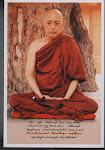
ေရႊဥမင္ဆရာေတာ္ၾကီး


၁။ တရားအားထုတ္စဥ္ အေရးအႀကီးဆံုးက သေဘာထားမွန္ဖို႔
စိုက္မရႈနဲ႔ ၊ ထိန္းမရႈနဲ႔ ၊
လုပ္မရႈနဲ႔ ၊ ခ်ဳပ္မရႈနဲ႔ ၊

၂။ ျဖစ္ေအာင္လည္း မလုပ္နဲ႔ ၊
ပ်က္ေအာင္လည္း မလုပ္နဲ႔ ၊
ျဖစ္တိုင္း ပ်က္တိုင္းလည္း မေမ့နဲ႔ သိေနရမယ္ ။

၃။ ျဖစ္ေအာင္လုပ္ရင္ ေလာဘ ၊
ပ်က္ေအာင္လုပ္ရင္ ေဒါသ ၊
ျဖစ္တိုင္း ပ်က္တိုင္း မသိရင္ ေမာဟ ။

၄။ ရႈမွတ္စိတ္မွာ ေလာဘ, ေဒါသ, ေသာက မပါမွ ရႈမွတ္စိတ္ျဖစ္မယ္ ။

၅။ ဘယ္လိုသေဘာထားနဲ႔ အားထုတ္ေနလဲလို႔ ျပန္စစ္ေဆးၾကည့္ရမယ္ ။

၆။ ေကာင္းတာလည္း ရႈရမွာပဲ ၊
ဆိုးတာလည္း ရႈရမွာပဲ ၊

၇။ ေကာင္းတာမွ လိုခ်င္တယ္
မေကာင္းတာဆို နည္းနည္းမွ မလိုခ်င္ဘူးဆိုရင္ တရားပါ့မလား ။

၈။ ေမွ်ာ္လင့္ခ်က္ မပါေစနဲ႔
လိုခ်င္တာ မပါေစနဲ႔
ေၾကာင့္ၾကစိတ္ မပါေစနဲ႔
ဒီသေဘာထားေတြ ရႈစိတ္ထဲရွိေနရင္ တရားအားထုတ္လို႔ အဆင္မေျပႏိုင္ဘူး ။

၉။ ဘာျဖစ္လို႔ ဒီေလာက္စိုက္ျပီး ရႈေနရတာလဲ
ျဖစ္ခ်င္လို႔၊ လိုခ်င္လို႔၊ ေပ်ာက္ခ်င္လို႔ တခုခု ျဖစ္ေနတတ္တယ္ ။

၁၀။ စိတ္က ပင္ပန္း ဆင္းရဲေနရင္ တရားအားထုတ္တာ တခုခုလိုေနျပီ ။

၁၁။ စိတ္တင္းက်ပ္မႈနဲ႔ တရားအားမထုတ္ႏိုင္ ။

၁၂။ စိတ္နဲ႔ကိုယ္ ပင္ပန္းဆင္းရဲလာရင္
တရားအားထုတ္မႈကို ျပန္စစ္ေဆးၾကည့္သင့္တယ္၊
မွန္ကန္တဲ့ သေဘာထားမ်ိဳး ရွိရဲ႔လား ။

၁၃။ တရားအားထုတ္တယ္ ဆိုတာ သတိ အသိနဲ႔ ေစာင့္ၾကည့္ေနတာ ။
စဥ္းစားေနတာ, ဆင္ျခင္ေနတာ, ေ၀ဖန္ေနတာ မဟုတ္ဖူး ။

၁၄။ လိုခ်င္တဲ့စိတ္ ျဖစ္ခ်င္တဲ့စိတ္နဲ႔ေတာ့ အားမထုတ္နဲ႔ ၊ ပင္ပန္းတာဘဲ အဖတ္တင္မယ္ ။

၁၅။ တရားအားထုတ္တဲ့စိတ္က ေအးေအးေဆးေဆးနဲ႔ ျငိမ္းျငိမ္းခ်မ္းခ်မ္း ရွိရမယ္ ။

၁၆။ စိတ္ေရာ ကိုယ္ေရာ သက္ေတာင့္သက္သာရွိရမယ္၊

၁၇။ လြတ္လပ္ေပါ့ပါးတဲ့ စိတ္နဲ႔မွ တရားအားထုတ္လို႔ ရတယ္ ။

၁၈။ တရားအားထုတ္တယ္ဆိုတာ ေကာင္းေကာင္းဆိုးဆိုး
ဘာလာလာ လက္ခံျပီး ေအးေအးေဆးေဆး ၾကည့္ေနတာဘဲ ။

၁၉။ စိတ္က ဘာလုပ္ေနလဲ
ေတြးေနသလား, သိေနသလား ။

၂၀။ စိတ္က ဘယ္ေရာက္ေနလဲ
အတြင္းမွာလား, အျပင္မွာလား ။

၂၁။ သိေနတဲ့စိတ္ ရႈေနတဲ့စိတ္က
ေသခ်ာသိလား, အေပၚယံသိလား ။

၂၂။ ျဖစ္ခ်င္တဲ့ပံုစံမ်ိဳးျဖစ္ေအာင္ လုပ္ေနတာ မဟုတ္၊
ျဖစ္ေနတာကို ျဖစ္ေနတဲ့အတိုင္း သိေအာင္ လုပ္ေနတာ ။

၂၃။ အေတြးကို ျပႆနာ မရွာနဲ႔
မေတြးေအာင္ လုပ္ေနတာ မဟုတ္၊
ေတြးရင္ ေတြးမွန္းသိေအာင္ လုပ္ေနတာ ။

၂၄။ အာရံုကုိ ပယ္ရမွာ မဟုတ္ ၊
အာရံုေၾကာင့္ျဖစ္တဲ့ ကိေလသာကို သိျပီး (ရႈမွတ္ျပီး) ပယ္ရမယ္ ။

၂၅။ သဒၶါရွိမွ ၀ီရိယ ရွိမယ္၊ ၀ီရိယ ရွိမွ သတိျမဲမယ္၊
သတိျမဲမွ သမာဓိ တည္မယ္၊ သမာဓိ တည္မွ အမွန္အတိုင္း သိမယ္၊
အမွန္အတိုင္း သိလာေတာ့ သဒၶါပိုျဖစ္လာတယ္ ။

၂၆။ ပစၥဳပၸန္တည့္တည့္ကိုသာ သတိထားေနရမယ္၊
အတိတ္ကိုလည္း မျပန္နဲ႔ ၊ အနာဂတ္ကိုလည္း မၾကံနဲ႔ ။

၂၇။ အာရံုက အေရးမႀကီးဘူး ၊
အေနာက္က အလုပ္လုပ္ေနတဲ့ စိတ္က ပိုအေရးႀကီးတယ္ ၊
ရႈမွတ္စိတ္သာ သေဘာထားမွန္ရင္ အာရံုအမွန္ရမွာပဲ ။


(အရင္တင္လိုက္တဲ့ ေအာက္က ပို ့စ္မွာ အဂၤလိပ္လို ဖတ္လို ့စိတ္ထဲမွာ အားမရျဖစ္ၾကတဲ့သူမ်ားအတြက္ ရည္ရြယ္ျပီး ၾသ၀ါဒမူရင္းကို http://mawluu.blogspot.com မွ ရွာေဖြ ေဖာ္ျပေပးလိုက္ပါတယ္ ခင္ဗ်ား။)
ဆက္လက္ဖတ္ရႈရန္

What is the Right Attitude for Meditation?

What is the Right Attitude for Meditation?

By

U Tejaniya

(Shwe Oo Min Meditation Centre, Yangon)


The most important thing when you are meditating is to have the right attitude.

When meditating: Don't focus too hard
Don't control
Don't try to create something
Don't force or restrict yourself

Don't try to create anything
But don't reject what is happening
But as things happen or stop happening,
Don't forget Be aware of them

Trying to create something is lobha (greed)
Rejecting what is happening is dosa (aversion)
Not knowing if something is happening
or has stopped happening is moha (delusion)

Only when the observing mind has no lobha, dosa, nor soka (worry/anxiety) inside it,
then the meditating mind will arise

You have to double check to see what attitude you are meditating with

You have to accept and watch both good and bad experiences

You only want good experiences
You don't want even the tiniest unpleasant experience
Is this fair? Is this the way of the Dhamma?

Don't have any expectations
Don't want anything
Don't be anxious
Because if these attitudes are in your mind,
It becomes difficult to meditate

Why are you focusing so hard when you meditate?
You want something to happen?
You want something to stop happening?
It is likely that one of these attitudes is there

If the mind is getting tired
Something is wrong with the way you are practicing

You cannot practice when the mind is tense

If the mind and body are getting tired
It is time to check the way you are meditating

Meditating is waiting and watching
With awareness and comprehension
Understanding
Not thinking
Not reflecting
Not judging

Don't practice with a mind that wants something
Or wants something to happen
The only result will be that you will tire yourself

The meditating mind should be relaxed and at peace

Both the mind and the body should be comfortable

A light and free mind enables you to meditate well
Do you have the right attitude?

Meditating is,
Whatever happens good or bad,
Accepting, relaxing and watching it

What is the mind doing?
Thinking? Or being aware?

Where is the mind now?
Inside? Or outside? (of oneself)

Is the watching/observing mind
Properly aware?
Or only superficially aware?

You are not trying to make things turn out
The way you want it to happen
You are trying to know what is happening as it is

Don't feel disturbed by the thinking mind
You are not practicing to prevent thinking
To recognize and acknowledge thinking whenever it arises
is what you are practicing

You are not supposed to reject the object (phenomena/things that are happening/being known)
You are to know (and thus note/observe) the defilement's
That arise because of the object and thus remove them (the defilement's)

Only when there is Saddha (Faith), Viriya (energy) will arise
Only when there is Viriya, Sati (mindfulness) will become continuous
Only when Sati is continuous, Samadhi will become established
Only when Samadhi is established, then you will know things as they really are,
Saddha then increases further

Just pay attention to what is exactly in the present moment
Don't go to the past!
Don't plan for the future!

The object is not important
The mind that is working in the background – working to be aware i.e. the observing mind is more important
If the observing (mind) is done with the right attitude the object will be the right object

(The above texts were copied from "http://www.vipassanahawaii.org")


ဆက္လက္ဖတ္ရႈရန္

ပါရမီ

ပါရမီ
သေျပကန္ဆရာေတာ္ၾကီး အရွင္၀ါေသ႒ာဘိ၀ံသ


ပါရမီ
-ဟူသည္ မိမိအက်ိဳးအတြက္ ငဲ့ကြက္လိုလားျခင္းမရွိပဲ အမ်ားေကာင္းက်ိဳးအတြက္၄င္း၊ သံသရာမွ လြတ္ေျမာက္ေရးအတြက္၄င္း၊ ျပဳအပ္ေသာ ဒါနစေသာ ေကာင္းမႈမ်ားပင္ျဖစ္သည္။ ထိုေကာင္းမႈမ်ားျဖင့္ ျမင့္ျမတ္သူဟု သိရသည္ျဖစ္ရာ ျမင့္ျမတ္သူျဖစ္ေၾကာင္း ဟု အနက္ဖြင့္ဆိုၾက၏။


လူညံ့မ်ားမွာ ေကာင္းမႈပင္ျဖစ္ေစ မိမိအက်ိဳးရွိမွ ျပဳလုပ္လိုၾက၏။ သံသရာမွလြတ္ေရးထက္ ဘ၀ေကာင္းစားေရး၊ ထင္ေပၚေက်ာ္ၾကားေရးကိုသာ အေလးေပးတတ္၏။ ထို ့ေၾကာင့္ ပါရမီေျမာက္အလုပ္မ်ားမွာ ထိုလူညံ့တို ့အရာမဟုတ္ ျဖပ္ရ၏။ ထိုအလုပ္မ်ားမွာ ဘ၀အျပစ္ျမင္၍ အမ်ားအေပၚမွာ ကရုဏာေမတၱာအားၾကီးေသာ သူေတာ္ေကာင္း ပုဂၢိဳလ္မြန္တို ့၏ လုပ္ငန္းမ်ားျဖစ္ၾက၍ ပါရမီအနက္ကို ျမင့္ျမတ္သူတို ့၏ အလုပ္ ဟုလည္း ဖြင့္ဆိုၾကျပန္သည္။


(သေျပကန္ဆရာေတာ္ၾကီးေရးသားစီရင္အပ္ေသာ “ပရိတ္ၾကီးနိႆယသစ္ ” စာအုပ္မွ ထုတ္နုတ္ေဖာ္ျပပါသည္။)

ဆက္လက္ဖတ္ရႈရန္

Thursday, February 5, 2009

Love And Hate

Love and Hate
By
Dr. Daw Thynn Thynn

She was just out of college; to know her was like a breath of fresh air. She was full of life, intelligent and pleasant, with a youthful inquiring mind. She was becoming a spiritual friend.
She told me about a person she had hated since college days. This troubled her so much that even in her dreams he was bothering her. That was why she wanted to know about love and hate.

S: Can you explain to me about love and hate?

Thynn: Well, you see, love and hate are not so different. They are two aspects of our discriminating mind, like two sides of the same coin.

S: But they feel so different.

Thynn: Yes, initially they are different, but they both arise out of our habit of discrimination, and they both lead to suffering. Whether we love or hate someone is based on our own likes and dislikes. We automatically categorize people according to our own preconceptions. When they meet our ideals and appear to be to our liking, immediately our mind starts to cling to them; and if they should fall into the category of dislike, our minds start to reject them. In this way we end up loving or hating.

S: But how can we stop loving and hating? I find both situations equally frustrating.

Thynn: Let's think about a situation where you love a person at one time and come to hate him at another. He is the same person, so why do your feelings about him change?

S: Probably because that person and I have changed.

Thynn: True. That means our love changes with each changing situation, and that means our feelings are not permanent, but relative to time and place.

S: Our feelings are not permanent?

Thynn: Exactly. This is what the Buddha called maya, the illusion of the mind. Our feelings are an illusion born of our conceptual mind; they arise from the ego- self. According to Buddhism, since ego is an illusion, anything that is born of the conceptual mind is also an illusion. It has no substance, permanence or peace. That is why mundane love is fickle. That is why it can change to hate.

About a week later she came to see me again, and this time, in great excitement, she said to me:

S: I fully understand now what you said about love and hate! I met that person the other day and, to my great surprise, I found myself going up to him and even greeting him without hesitation. I don't know why, but I don't feel any animosity toward him anymore. Before, I used to hate even the sight of him. It is really such a great relief to me. I feel free now!

Thynn: Let me ask you one thing: before you met this person did you have this feeling of hate in you?

S: Why, come to think of it, I didn't.

Thynn: And what about now; do you still have it?

S: No.

Thynn: Then, what is the difference, before and after?

[Then she burst into laughter, saying:]

S: Very true!

Thynn: Well, you were free of this hate or love before you met him, weren't you?

S: Yes, that's right.

Thynn: What did you have to do to be free like that?

S: Well, I didn't have to do anything. I was free by myself.

Thynn: That's right. By ourselves we are free of either loving or hating. Only when we start to like or dislike do we become entangled in our own emotions. As soon as we come to realize that they are illusions of our own making, we become free. We are brought back to our original situation where there is neither love nor hate. Only when the mind starts to work on liking and disliking is the burden of love and hate built up and we lose that freedom temporarily.

This is a real-life example of how the cloud of moha (delusion), once lifted, leads to freedom and self-realization in the moment.

(This dhamma article was reproduced from the book of "Living Meditation, Living Insight" By Dr. Daw Thynn Thynn.)
ဆက္လက္ဖတ္ရႈရန္

Wednesday, February 4, 2009

ႏွစ္သက္မိေသာ ဇင္ ပံုျပင္မ်ား (၁)

Obsessed

Two traveling monks reached a river where they met a young woman. Wary of the current, she asked if they could carry her across. One of the monks hesitated, but the other quickly picked her up onto his shoulders, transported her across the water, and put her down on the other bank. She thanked him and departed.

As the monks continued on their way, the one was brooding and preoccupied. Unable to hold his silence, he spoke out. "Brother, our spiritual training teaches us to avoid any contact with women, but you picked that one up on your shoulders and carried her!"

"Brother," the second monk replied, "I set her down on the other side, while you are still carrying her."

(ပံုျပင္ေတြရဲ ့အေပၚမွာ စာဖတ္သူရဲ ့ထင္ျမင္ခ်က္ အယူအဆေလးေတြကို ျဖစ္နိဳင္ရင္ ေဆြးေႏြးေပးေစခ်င္ပါတယ္။)

ဆက္လက္ဖတ္ရႈရန္

သီခ်င္းထဲက ဓမၼ

မဟာ၀ီရ အို.... ဗုဒၶ
ထူးအိမ္သင္


ဆက္လက္ဖတ္ရႈရန္

Monday, February 2, 2009

တပည့္မ်ား သတိထား

(၁)
ေမြးေန ့ရွိက၊ မွန္မုခ်လွ်င္၊ ေသရမည့္ေန ့၊ ဧကန္ေတြ ့လိမ့္
ဘယ္ေန ့ဘယ္ခါ၊ မသိပါသည္၊ ေစာင့္ခါေနရ၊ လူ ့ဘ၀။

(၂)
ေမာ္ခါၾကြားခါ၊ မာန္တက္ခါျဖင့္၊ ေပ်ာ္ခါပါးခါ၊ ဇိမ္ယူခါျဖင့္
တရားမသိ၊ ေလာဘဖိလ်က္၊ မိႈင္းမိကိေလ၊ ေပ်ာ္ေပ်ာ္ေနက
ေသသည့္အခါ၊ ငရဲရြာတြင္၊ ခံရမည္မွာ၊ မုခ်သာတည္း။ ။

(ဤဆံုးမလကၤာကို ေရးစပ္သူမွာ သတၱမေျမာက္ ေက်ာ္ေအာင္စံထား ဆရာေတာ္ဟု ထင္ပါသည္။ ေရးသားသူအမွန္ကို သိရွိသူမ်ား ရွိပါက ေမတၱာေရွ ့ထား ျပင္ေပးၾကပါ ခင္ဗ်ား။ )
ဆက္လက္ဖတ္ရႈရန္