Tuesday, March 17, 2009

ေဗာဇၥ်င္ခုနစ္ပါး တရားျမတ္ရတနာ

ေဗာဇၥ်င္ခုနစ္ပါး တရားျမတ္ရတနာ
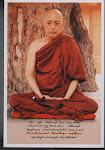
သေျပကန္ဆရာေတာ္ၾကီး

ေဗာဇၥ်င္
အမည္ရပံု

‘ေဗာဇၥ်င္’ဆိုတာ ‘ေဗာဇၥ်င္ဂၤ’ ဆိုတဲ့ ပါဠိမွ ဆင္းသက္လာတဲ့ ေဝါဟာရပဲ။

‘ေဗာဇၥ်င္ဂၤ’ဆိုတာလည္း ‘ေဗာဓိ’နဲ႔ ‘အဂၤ’ႏွစ္ပုဒ္ကို ပါဠိနည္းအရ စပ္ထားတာ ျဖစ္ပါတယ္။

‘ေဗာဓိ’မွာ ‘ႏိုးမႈ’ ‘သိမႈ’ အနက္ႏွစ္မ်ိဳးနဲ႔ ဆိုင္ပါတယ္။

အရိယာျဖစ္တဲ့ ဘုရားတပည့္ဟာ ေလာကုတၱရာမဂ္ခဏမွာ သတိ၊ ဓမၼဝိစယ၊ ဝီရိယ၊ ပီတိ၊ ပႆဒၶိ၊ သမာဓိ၊ ဥေပကၡာ တရားခုနစ္ခု အစုအေပါင္းျဖင့္ ကိေလသာအစဥ္ဟူေသာ အိပ္ေပ်ာ္ျခင္းမွ ႏိုးလာတတ္တယ္။

သစၥာေလးပါးကို သိတတ္တယ္။

နိဗၺာန္ကို ကိုယ္ေတြ႕ အသိေရာက္ မ်က္ေမွာက္ျပဳတတ္တယ္။

ဒီေတာ့ သတိစေသာ တရားခုနစ္ပါး အေပါင္းဟာ ကိေလသာဆိုတဲ့ အိပ္ေပ်ာ္ျခင္းမွ ႏိုးေၾကာင္း၊ သစၥာသိေၾကာင္း၊ နိဗၺာန္ကို ကိုယ္ေတြ႕သိေၾကာင္း တရားအစုျဖစ္လို႔ ထိုတရား အစုအေပါင္းကို ‘ေဗာဓိ’ ဆိုရပါတယ္။

‘သတိ’စေသာ တရားတခုခုကိုေတာ့ ထို‘ေဗာဓိ’ေခၚတဲ့ တရားအေပါင္း၏ အစိတ္ ‘အဂၤ’ ဆိုရပါတယ္။

ဒါေၾကာင့္ သတိစေသာ တရားတခုစီကို ‘ေဗာဓိအဂၤ’၊ ေဗာဓိေခၚ တရားအစုအေဝး၏ အစိတ္အဂၤါ - ေဗာဇၥ်င္ဂၤလို႔ ဆိုရျခင္း ျဖစ္ပါတယ္။

စ်ာနဂၤ - စ်ာနင္၊ မဂၢဂၤ - မဂၢင္ ဆိုတဲ့ အမည္မ်ားလိုပါပဲ။

ဝိတက္၊ ဝိစာရ၊ ပီတိ၊ သုခ၊ ဧကဂၢတာ တရားငါးပါးအေပါင္းကို စ်ာန-စ်ာန္လို႔ ဆိုရၿပီး၊ ထိုစ်ာနမည္တဲ့ တရားထဲက ဝိတက္စေသာ တခုတခုစီကိုေတာ့ စ်ာနအဂၤ - စ်ာန္၏အစိတ္ စ်ာနင္ဆိုရသလိုပါပဲ။

သမၼာဒိ႒ိစေသာ တရားရွစ္ပါးအေပါင္းကို မဂၢ - မဂ္ ဆိုရၿပီး၊ ထိုအေပါင္းမဂ္တြင္ ပါဝင္ေသာ သမၼာဒိ႒ိစေသာ တရားတခုစီ တခုစီကိုေတာ့ မဂၢအဂၤ - မဂ္၏အစိတ္အပိုင္း မဂၢင္ ဆိုရပါတယ္။

ဒီေတာ့ ေဗာဓိနဲ႔ ေဗာဇၥ်င္ဂၤဟာ အေပါင္းနဲ႔ အစိတ္အျဖစ္ျဖင့္ ကြဲျပားၾကတယ္။

သတိစေသာ တရားအေပါင္းနဲ႔ အစိတ္သာ ျဖစ္ၾကတယ္။

ေဗာဇၥ်င္အမည္ရပံု တနည္း

တနည္းအားျဖင့္ သစၥာကုိ သိတတ္ေသာေၾကာင့္ အရိယာျဖစ္တဲ့ ဘုရားတပည့္ကို ‘ေဗာဓိ’ ဆိုရပါတယ္။

အရိယာ ဘုရားတပည့္ သစၥာသိတာ ေနာက္ကေျပာခဲ့တဲ့ သတိစေသာ ခုနစ္ပါးအေပါင္းနဲ႔ သိတာပါပဲ။

ဒါေၾကာင့္ ဒီတရားအေပါင္းနဲ႔ အရိယာသာဝကဟာ မကြဲမျပား တခုတည္းပါပဲ။

ဒါေၾကာင့္ပဲ ‘ေဗာဓိ’ဆိုရတဲ့ အရိယာဘုရားတပည့္၏ အစိတ္အဂၤါလို႔လည္း ဆိုရပါတယ္။

ဒါက ပညတ္အားျဖင့္ ေဗာဇၥ်င္ဆိုရတဲ့နည္းေပါ့။

ေသနဂၤ - စစ္တပ္အဂၤါ၊ ရထဂၤ - ရထားအဂၤါ အစိတ္အပိုင္း ဆိုတာလုိပါပဲ။

ဆင္ ျမင္း ရထား ေျခသည္ အရာဝတၳဳေလးခုအေပါင္းကို ေသနာ - စစ္တပ္ ေခၚတယ္။

တကယ္ေတာ့ ဆင္ ျမင္း ရထား ေျခသည္ ဝတၳဳသာ အရွိ။ စစ္တပ္ဆိုတာက ထိုေလးခုအေပါင္းကို အစြဲျပဳ ေခၚရတဲ့ အေခၚေဝါဟာရ ပညတ္သာ။

ဒီ ပညတ္ကလည္း သမၼဳတိအရ အရွိပဲမို႔ စစ္တပ္လို႔ပဲ ဆိုရပါတယ္။

အဲဒီ စစ္တပ္ရဲ႕ အစိတ္ ဆင္ ျမင္း စသည္ကိုေတာ့ ေသနဂၤ - စစ္တပ္ရဲ႕ အစိတ္အဂၤါ ဆိုပါတယ္။

ဒါလိုပဲ ဘီး ဝင္႐ိုး စေသာ အစိတ္အပိုင္းေတြ စုေပါင္းမိတဲ့အခါ ‘ရထား’ဆိုတဲ့ ေဝါဟာရ ျဖစ္လာရတယ္။

တကယ္ေတာ့ ဘီး ဝင္႐ုိးစေသာ အစိတ္ဝတၳဳသာ။ တကယ္အရွိ ‘ရထား’ဆိုတာက အမည္ေဝါဟာရ ပညတ္မွ်ပဲ။

သို႔ေသာ္လည္း ေဝါဟာရဟာ ေလာကသမၼဳတိ လူအမ်ားရဲ႕ သမုတ္ခ်က္အရ အရွိပဲ။

ဒါေၾကာင့္ ဘီး ဝင္႐ိုး စေသာ အစိတ္အပိုင္းေတြ စုမိတဲ့အခါ ‘ရထား’ဆိုရၿပီး၊ အစိတ္အစိတ္ ဘီး ဝင္႐ိုး စသည္ကိုေတာ့ ရထဂၤ - ရထား၏ အစိတ္အဂၤါ ဆိုရပါတယ္။

အဲဒါလိုပဲ အရိယာ ဘုရားတပည့္ဟာ ဒီတရားအေပါင္းနဲ႔ သစၥာသိတယ္။

အရိယာသာဝကဟာ တကယ္အရွိေတာ့ မဟုတ္ဘူး။

အဝိဇၨမာန ပညတ္ေခၚ၊ ပရမတၳအားျဖင့္ ထင္ရွားမရွိတဲ့ ပညတ္ပါပဲ။

ဒီတရားအေပါင္း အစြဲျပဳ ပညတ္ထားတာျဖစ္ေတာ့ တရားအေပါင္းရဲ႕ အစိတ္ဟာ ပုဂၢိဳလ္၏ အစိတ္လို႔လည္း ဆိုႏိုင္ပါေတာ့တယ္။

ဒါေၾကာင့္ ယခင္ ပထမနည္းအရ သစၥာသိေၾကာင္း သတိစေသာ တရားအေပါင္း၏ အစိတ္အပိုင္းဟုလည္းေကာင္း၊ ယခုနည္းအရ သစၥာျမင္သိ အရိယာသာဝက၏ အဂၤါ အစိတ္အပိုင္းဟုလည္းေကာင္း ေဗာဇၥ်င္၏အနက္ကို သိရပါတယ္။

ဒါက အ႒ကထာလာနည္းမ်ား ျဖစ္ပါတယ္။

ပါဠိေတာ္နည္းကို ေျပာၾကဦးစို႔။

ပါဠိေတာ္လာအရ ေဗာဇၥ်င္အနက္

ရဟန္းတပါးက “ျမတ္စြာဘုရား ေဗာဇၥ်င္ေတြ ေဗာဇၥ်င္ေတြလို႔ ဆိုၾကပါတယ္၊ ဘယ္မွ်ေလာက္ေသာ အေၾကာင္းျဖင့္ ေဗာဇၥ်င္ေတြလို႔ ဆိုအပ္ပါသလဲ”၊ ဤသို႔ေလွ်ာက္ထားတဲ့အခါ -

“ေဗာဓာယ သံဝတၱႏၲိ ေခါ ဘိကၡဳ တသၼာ ေဗာဇၥ်ဂၤါတိ ဝုစၥႏၲိ”

ရဟန္း နိဗၺာန္ကို သိျခင္းငွာ ျဖစ္ၾကေသာေၾကာင့္ ေဗာဇၥ်င္တရားမ်ားဟု ဆိုရတယ္လို႔ ဘုရားရွင္က ေျဖၾကားေတာ္မူခဲ့တယ္။

ဒီ ဘုရားရွင္ မိန္႔ခြန္းေတာ္အရဆိုလွ်င္ ေဗာဓိ - နိဗၺာန္ကို သိျခင္း၏၊ အဂၤ - အေၾကာင္း၊ ေဗာဇၥ်င္ဂၤ - နိဗၺာန္ကို သိျခင္းအေၾကာင္းလို႔ ေဗာဇၥ်င္အနက္ရလာပါတယ္။

ဒီအနက္က အမွတ္ရ လြယ္ပါတယ္။

ဒါေၾကာင့္ နိဗၺာန္ကို သိျခင္းအေၾကာင္းျဖစ္တဲ့ သတိစေသာ တရားမ်ားကို ေဗာဇၥ်င္လို႔ ေခၚရေၾကာင္း ဒီပါဠိအရ မွတ္သားဖို႔ပါပဲ။


(အဘိဓဇမဟာရ႒ဂု႐ု၊ ေ႐ႊက်င္နိကာယဥပဥကၠဌ၊ က်မ္းျပဳအေက်ာ္၊ သေျပကန္ဆရာေတာ္ ဘဒၵႏၲဝါေသ႒ာဘိဝံသ ၏ “ေဗာဇၥ်င္ခုနစ္ပါး တရားျမတ္ရတနာ”၊ ဒုတိယအႀကိမ္ႏွိပ္-၂၀၀၅၊ စာ ၃၇-၄၀)


Tha Pyay Kan Sayadaw _ 7 Baw Zin
ဆက္လက္ဖတ္ရႈရန္

Monday, March 16, 2009

Don't Look Down On The Defilements


Don't Look Down On The Defilements
They Will Laugh At You

By
Sayardaw U Tejaniya (Shwe Oo Min Tawya)


Sayadaw U Tejaniya began his Buddhist training as a young teenager in Myanmar under the late Shwe Oo Min Sayadaw (1913–2002). After a career in business and life as a householder, he has become a permanent monk since 1996. He teaches meditation at Shwe Oo Min Dhammasukha Tawya in Yangon, Myanmar.

part1-pp1-39


part2-pp40-65


part3-pp66-78
ဆက္လက္ဖတ္ရႈရန္

ႏွစ္သက္မိေသာ ဇင္ ပံုျပင္မ်ား (၆)

Moving Mind

Two men were arguing about a flag flapping in the wind. "It's the wind that is really moving," stated the first one. "No, it is the flag that is moving," contended the second. A Zen master, who happened to be walking by, overheard the debate and interrupted them. "Neither the flag nor the wind is moving," he said, "It is MIND that moves."

ဆက္လက္ဖတ္ရႈရန္

Thursday, March 12, 2009

Interview With Joseph Goldstein


Joseph Goldstein (born 1944) is one of the first American Vipassana teachers, co-founder of the Insight Meditation Society (IMS) with Jack Kornfield and Sharon Salzberg, contemporary author of numerous popular books on Buddhism, including Insight Meditation: The Practice of Freedom, One Dharma, etc., resident guiding teacher at IMS, and leader of retreats worldwide on insight (vipassana) and lovingkindness (metta) meditation.


The following is the video interview of Joseph Goldstein talking with Robert Wright about his life and the dhamma.


(The above video is reproduced from http://meaningoflife.tv.)
ဆက္လက္ဖတ္ရႈရန္

Tuesday, March 10, 2009

The Benefits of Meditation and Sacrifice

The Benefits of Meditation and Sacrifice
Aung San Suu Kyi


The rainy season retreat has begun. It is a time for offering robes to monks and for making special efforts toward gaining a better understanding of Buddhist values. In Burma, we look upon members of the sangha (the Buddhist religious order) as teachers who will lead us along the noble eightfold path. Good teachers not merely give scholarly sermons, they show us how we should conduct our daily lives in accordance with right understanding, right thought, right speech, right action, right livelihood, right effort, right mindfulness and right concentration.

Not long ago before my house arrest in 1989, I was granted an audience with the venerable U Pandita, an exceptional teacher in the best tradition of great spiritual mentors whose words act constantly as an aid to a better existence. U Pandita, the hole teacher, spoke of the importance of right speech. Not only should one speak only the truth, one's speech should lead to harmony among beings, it should be kind and pleasant and it should be beneficial. One should follow the example of the Lord Buddha who only spoke words that were trustful and beneficial, even if at times such speech was not always pleasing to the listener.

The holy teacher also urged me to cultivate mindfulness. Of the five spiritual faculties (ie, faith, energy, concentration, wisdom, and mindfulness), it is only mindfulness that can never be in excess. Excessive faith without sufficient wisdom leads to blind faith, while excessive wisdom without sufficient energy leads to undesirable cunning. Too much energy combined with weak concentration leads to indolence. But as for mindfulness, it is in excess, but always in deficiency. The truth and value of this Buddhist concept that holy teacher U Pandita took such pains to impress on me became evident during my years of house arrest. Like many of my Buddhist colleagues, I decided to put my time under detention to good use by practicing meditation. It was not an easy process. I did not have a teacher and my early attempts were more than a little frustrating. There were days when I found my failure to discipline my mind in accordance with prescribed meditation practices so infuriating I felt I was doing myself more harm than good. I think I would have given up but for the advice of a famous Buddhist teacher, that whether or not one wanted to practice meditation, one should do so for one's own good.

So, I gritted my teeth and kept at it, often rather glumly. Then my husband gave me a copy of Sayadaw U Pandita's book, "In this Very Life, the Liberation Teachings of the Buddha."

By studying this book carefully, I learned how to overcome difficulties of meditation and to realize its benefits. I learned how practicing meditation led to increased mindfulness in every day life and again and again. I recalled the holy teacher's words on the importance of mindfulness with appreciation and gratitude.

In my political work, I have been helped and strengthened by the teachings of members of the sangha. During my very first campaign trip across Burma, I received invaluable advice from monks in different parts of the country. In Prome, a holy teacher told me to keep in mind the hermit Sumedha, who sacrificed the possibility of early liberation for himself alone and underwent many lives of striving that he might save others from suffering. So must you be prepared to strive for as long as might be necessary to achieve good and justice, exhorted the holy teacher.

In a monastery at Pakokku, the advice that an abbot gave to my father when he went to that town more than 40 years ago was repeated to me: "Do not be frightened every time there is an attempt to frighten you, but do not be entirely without fear. Do not become elated every time you are praised, but do not be entirely lacking in elation."

In other words, while maintaining courage and humility, one should not abandon caution and healthy self-respect.

When I visited Natmauk, my father's home town, I went to the monastery where he studied as a boy.

There the abbot gave a sermon on the four causes of decline and decay: failure to recover that which had been lost; omission to repair that which had been damaged; disregard of the need for reasonable economy; and the elevation to leadership of those without morality and learning. The abbot went on to explain how these traditional Buddhist views should be interpreted to help us build a just and prosperous society in the modern age.

Of the words of wisdom I gathered during that journey across central Burma, those of a 91-year-old holy teacher of Sagaing are particularly memorable. He sketched out for me how it would be to work for democracy in Burma.

"You will be attacked and reviled for engaging in honest politics," pronounced the teacher, "But you must persevere. Lay down an investment in suffering and you will gain bliss."

Aung San Suu Kyi, Bangkok Post, September 1996.

(Original article from http://www.enabling.org/ia/vipassana/Archive/K/Kyi/meditationSacraficeKyi.html )
ဆက္လက္ဖတ္ရႈရန္

Monday, March 9, 2009

တေပါင္းလျပည့္ေန ့ ႏွဳတ္ခြန္းဆက္


ဒီေန ့ တေပါင္းလျပည့္ေန ့ ဟာ ဗုဒၶဘာသာ၀င္တို ့အတြက္ ဘာသာေရးေန ့ထူးေန ့ျမတ္တစ္ခုျဖစ္ပါတယ္။ ျမတ္စြာဘုရားရွင္၏ ျပည္ေတာ္၀င္အခါေတာ္ေန ့လို ့လည္း သတ္မွတ္ထားၾကပါတယ္။

ရန္ကုန္မွာဆိုရင္ေတာ့ ေရႊတိဂံုေစတီေတာ္ၾကီးရဲ ့ ဗုဒၶပူဇနိယပြဲေတာ္ေန ့ျဖစ္ပါတယ္။

လျပည့္ေန ့အခါသာမယမွာ သတၱ၀ါေတြ အားလံုး စိတ္၏ခ်မ္းသာျခင္း၊ ကိုယ္၏ခ်မ္းသာျခင္းနဲ ့ ျပည့္စံုၾက၍ ဓမၼ၏ ေအးျငိမ္း စစ္မွန္ ခ်မ္းသာေသာ အဆံုးတိုင္လြတ္ေျမာက္မႈပန္းတိုင္ကို လြယ္ကူ လ်င္ျမန္ သက္သာေသာ နည္းေကာင္းလမ္းျမတ္ျဖင့္ သိျမင္ေရာက္ရွိ နိဳင္ၾကပါေစေၾကာင္း ေမတၱာပို ့သ ဆုမြန္ေကာင္း ေတာင္းအပ္ပါသည္ ခင္ဗ်ား။

စာဖတ္သူဓမၼမိတ္ေဆြအေပါင္းအား တေပါင္းလျပည့္ေန ့အမွတ္တရ အျဖစ္ ဓမၼပဒ၊ မဂၢ၀ဂၢ မွ ကၽြန္ေတာ္အလြန္ႏွစ္သက္ေသာ ဂါထာ (၃) ပုဒ္ကို ဓမၼလက္ေဆာင္ေပးလိုက္ပါတယ္ခင္ဗ်ား။

၂၇၇။ "သေဗၺ သခၤါရာ အနိစၥာ" တိ၊ ယဒါ ပညာယ ပႆတိ။
အထနိဗၺိႏၵတိ ဒုေကၡ၊ ဧသ မေဂၢါ ဝိသုဒၶိယာ။

၂၇၇။ အၾကင္အခါ ႐ုပ္နာမ္ဓမၼ သခၤါရအားလံုးတို႔သည္ အျမဲမ႐ွိကုန္ဟု ၀ိပႆနာပညာျဖင့္ ႐ႈျမင္ႏုိင္၏၊ ထိုအခါ ႐ုပ္နာမ္ဓမၼသခၤါရဟူေသာ ဒုကၡ၌ ျငီးေငြ႔၏။ ဤၿငီးေငြ႔ျခင္းသည္ ကိေလသာ စင္ၾကယ္ရာနိဗၺာန္၏ အေၾကာင္းျဖစ္၏။

277. Through Vipassana wisdom (pyin nyar) one sees by insight that all Conditioned things, sankharas are transient. Then one becomes bored and disgusted with sankharas which are impermanent. This boredom is the cause of pursuing Nibbana.

၂၇၈။ "သေဗၺ သခၤါရာ ဒုကၡာ" တိ၊ ယဒါ ပညာယ ပႆတိ။
အထနိဗၺိႏၵတိ ဒုေကၡ၊ ဧသ မေဂၢါ ဝိသုဒၶိယာ။

၂၇၈။ အၾကင္အခါ ႐ုပ္နာမ္ဓမၼ သခၤါရအားလံုးတို႔သည္ ဆင္းရဲကုန္၏ဟု ၀ိပႆနာပညာျဖင့္ ႐ႈျမင္ႏုိင္၏၊ ထိုအခါ ႐ုပ္နာမ္ဓမၼသခၤါရဟူေသာ ဒုကၡ၌ ျငီးေငြ႔၏။ ဤၿငီးေငြ႔ျခင္းသည္ ကိေလသာ စင္ၾကယ္ရာနိဗၺာန္၏ အေၾကာင္းျဖစ္၏။

278. Through Vipassana wisdom (pyin nyar) one sees by insight that all Conditioned things, sankharas are suffering. Then one becomes bored and disgusted with sankharas which are impermanent. This boredom is the cause of pursuing Nibbana.

၂၇၉။ "သေဗၺ ဓမၼာ အနတၱာ" တိ၊ ယဒါ ပညာယ ပႆတိ။
အထနိဗၺိႏၵတိ ဒုေကၡ၊ ဧသ မေဂၢါ ဝိသုဒၶိယာ။
၂၇၉။ အၾကင္အခါ သဘာ၀တရားအားလံုးတို႔သည္ အတၱ မဟုတ္ကုန္ဟု ၀ိပႆနာပညာျဖင့္ ႐ႈျမင္ႏုိင္၏၊ ထိုအခါ ႐ုပ္နာမ္ဓမၼသခၤါရဟူေသာ ဒုကၡ၌ ျငီးေငြ႔၏။ ဤၿငီးေငြ႔ျခင္းသည္ ကိေလသာ စင္ၾကယ္ရာနိဗၺာန္၏ အေၾကာင္းျဖစ္၏။

279. Through Vipassana wisdom (pyin nyar) one sees by insight that all things, Dhamma are anatta which means 'no self'. Then one becomes bored and disgusted with sankharas which are impermanent. This boredom is the cause of pursuing Nibbana.

၀ိမုတၱိသုခ
Vimuttisukha

ဆက္လက္ဖတ္ရႈရန္

Sunday, March 8, 2009

ဒါေတြကိုမေမ႔မွ စိတ္ခ်မ္းသာမယ္


(ကၽြန္ေတာ့္အီးေမးလ္ထဲကို သူငယ္ခ်င္းတစ္ေယာက္စီက Forward Message ၀င္လာတဲ့ ဆရာေတာ္ ဦးေဇာတိကရဲ ့ “စိတ္ခ်မ္းသာဖို ့လိုရင္းပါ” စာအုပ္ထဲက ေကာက္ႏႈတ္ခ်က္ေလးေတြပါ။ ကၽြန္ေတာ္အဲဒီစာအုပ္ကို ဖတ္ေနတာ မျပီးေသးပါဘူး။ ျပီးသြားမွ Point ေလးေတြ ဘေလာ့ဂ္မွာ ေရးတင္မယ္လို ့စိတ္ကူးထားတာ။ အခု ေရးျပီးသား အဆင္သင့္ ရလိုက္ေတာ့ ေတာ္ေတာ္ေလး အဆင္ေျပသြားတယ္။ ဓမၼမိတ္ေဆြမ်ားကို ထပ္ဆင့္ေ၀မွ်ေပးလိုက္ပါတယ္ခင္ဗ်ား။ )

====================================================================
ဒါေတြကိုမေမ႔မွ စိတ္ခ်မ္းသာမယ္

(၁) ငါဟာ ငါ႔ဘ၀မွာ အေရးပါတဲ႔သူ ျဖစ္တယ္။ ငါ႔မိသားစုဘ၀မွာလည္း အေရးပါတဲ႔သူ ျဖစ္တယ္။ ငါ႔အသုိင္းအ၀ိုင္းမွာလည္း အေရးပါတဲ႔သူ ျဖစ္တယ္။ ဘာေတြလုပ္ေပးႏုိင္လုိ႔ အေရးပါတာလဲ။ ဘာမွ ထူးထူးျခားျခား လုပ္ေပးႏုိင္လုိ႔မဟုတ္ပါဘူး။ သြားရင္းလာရင္းနဲ႔ စိတ္ခ်မ္းသာစရာေလးေတြကို ငါ ေျပာႏုိင္တယ္။
တစ္ခါတေလ ကိုယ္တတ္ႏုိင္တဲ႔အကူအညီ ေပးႏုိင္တယ္။ ငါ႔ေၾကာင္႔ နည္းနည္းေလးျဖစ္ျဖစ္ စိတ္ခ်မ္းသာမႈ ရေစခ်င္တယ္။

ငါ႔ဘ၀မွာ ငါဟာ အေရးအပါဆံုးလူ မဟုတ္ရင္ ဘယ္သူက ငါ႔ဘ၀မွာ အေရးအပါဆံုး ျဖစ္မလဲ။ ငါဟာ ဘာမွ အသံုးမက်တဲ႔သူလုိ႔ ငါ႔ကိုယ္ငါ သေဘာထားရင္ ဘယ္လိုလုပ္ စိတ္ခ်မ္းသာမလဲ။ ဘယ္လုိလုပ္ စိတ္အားတက္မလဲ။

(၂) ငါ ဘယ္သူ႔ကိုမွ ဒုကၡမေပးမိေအာင္ သတိထားတယ္။ တစ္ေယာက္ကိုတစ္ေယာက္
ဒုကၡေပးေနၾကရင္ ဒီီေလာက္လူေတြမ်ားတဲ႔ ေလာကၾကီးမွာ ဘယ္ေနလုိ႔ ျဖစ္ေတာ႔မလဲ။
ဒါေၾကာင္႔ စိတ္ခ်မ္းသာမႈမေပးႏုိင္ရင္ ရွိပါေစေတာ႔ စိတ္ဆင္းရဲမႈေတာ႔
မေပးမိေအာင္ သတိထားပါတယ္။

(၃) ဒီေန႔ဟာ အေရးအၾကီးဆံုးေန႔ပဲ။ ဒီေန႔ကို တန္ဖုိးထားမွ ေန႔တုိင္း
တန္ဖုိးရွိတဲ႔ေန႔ ျဖစ္မယ္။ ေန႔တုိင္း တန္ဖုိးရွိတဲ႔ေန႔ျဖစ္မွ ငါ႔ဘ၀ဟာ
တန္ဖုိးရွိတဲ႔ဘ၀ျဖစ္မယ္။ ဒါေၾကာင္႔ ဒီေန႔ တန္ဖုိးရွိတာ လုပ္မယ္။
ပညာရွာမယ္။ မိတ္ေဆြေကာင္းရွာမယ္။ စိတ္ခ်မ္းသာေအာင္ ေနမယ္။ ေမြးေန႔မွာ
Happy Birth Day ေပ်ာ္ရႊင္စရာေမြးေန႔လုိ႔ ေျပာၾကတယ္။
ေပ်ာ္လည္းေပ်ာ္ၾကတယ္။ ေန႔တုိင္း အဲဒီလုိ ေပ်ာ္လုိ႔ မျဖစ္ဘူးလား။
မျဖစ္ႏုိင္စရာအေၾကာင္း ဘာရွိသလဲ။ ေန႔တုိင္း ေမြးေန႔လုိ႔ သေဘာထားမယ္။

(၄) ဒီေန႔လုပ္ရမယ္႔ အလုပ္ေတြကို အေကာင္းဆံုးျဖစ္ေအာင္ လုပ္မယ္။ လူေတြကို
အေကာင္းဆံုးသေဘာထားနဲ႔ ဆက္ဆံမယ္။ ငါနဲ႔ေတြ႔ရတဲ႔ လူေတြဟာ ငါ႔လုိပဲ ဘ၀ကို
ရုန္းကန္ျပီး ေနသြားၾကတယ္။

(၅) ကိုယ္တတ္ႏုိင္တာကို ေပ်ာ္ေပ်ာ္ရႊင္ရႊင္ စိတ္ပါလက္ပါ၊ ရုိးရိုးသားသား
ေစတနာနဲ႔ လုပ္မယ္။ မတတ္ႏုိင္တာကို မတတ္ႏုိင္ဘူးလုိ႔ သေဘာထားမယ္။ အဲဒီလုိ
မတတ္ႏုိင္တဲ႔အတြက္ေၾကာင္႔ စိတ္ဆင္းရဲမခံဘူး။

(၆) ဒီေန႔ အကူအညီလုိတဲ႔ ငါ႔မိတ္ေဆြတစ္ေယာက္ကို အကူအညီေပးမယ္။ လူ႔ဘ၀မွာ
တစ္ဦးကိုတစ္ဦး အကူအညီေပးျပီးေနသြားမွ အားလံုး အဆင္ေျပမယ္။ ငါကလည္း
ဘယ္သူ႔ကိုမွ အကူအညီမေပးဘူး။ ဘယ္သူ႔ဆီကမွလည္း အကူအညီ မယူဘူး ဆုိျပီး
ေနလုိ႔ မျဖစ္ဘူး။

(၇) ငါ ခင္သလို ငါ႔ကို မခင္ၾကဘူးလုိ႔ အျပစ္ မတင္ဘူး။ သူတုိ႔ မခင္တာဟာ
ငါ႔အတြက္ စိတ္ဆုိးစရာ မဟုတ္ဘူး။

(၈) ` အပၸမာေဒန သမၸာေဒထ` လုိ႔ ဘုရား ေန႔တုိင္း ေဟာၾကား သတိေပးတာကို
မေမ႔ဘူး။ အေရးးအၾကီးဆံုး သတိေပး ေဟာၾကား မွာထားခဲ႔တာကို ေန႔တုိင္း
အားထုတ္မယ္။ ေနရာမေရြး အခ်ိန္မေရြး သတိနဲ႔ေနမယ္။ ဒါေတြကို မေမ႔မွ
စိတ္ခ်မ္းသာမယ္။

(၉) ဒီေန႔ဟာ ငါ တကယ္ေနရတဲ႔ေန႔ပဲ။ ေပ်ာ္ရႊင္မႈ၊ စိတ္ခ်မ္းသာမႈဟာ အျပင္မွာ
မရွိဘူး။ အတိတ္မွာ မရွိဘူး။ အနာဂတ္မွာ မရွိဘူး။ အခု ပစၥဳပၸာန္မွာပဲ
ရွိတယ္။ ငါ႔ကိုယ္ကိုငါ ေက်နပ္ေနတယ္။ ငါ႔ဘ၀ကိုငါ ေက်နပ္ေနတယ္။
ငါ႔စိတ္ခ်မ္းသာမႈဟာ ငါ႔တာ၀န္ပဲဆိုတာ ငါသိတယ္။ ငါစိတ္ခ်မ္းသာေနမွ
ငါနဲ႔ေတြ႔ရတဲ႔သူေတြကို စိတ္ခ်မ္းသာမႈ ေပးႏုိင္မယ္။ အနည္းဆံုးေတာ႔ ငါ႔အျပံဳးဟာ လႈိက္လွဲတဲ႔အျပံဳး ျဖစ္ေစရမယ္။

(၁၀) ငါဟာ ငါ႔ရဲ႕ အေကာင္းဆံုးမိတ္ေဆြျဖစ္ႏုိင္သလုိ အဆိုးဆံုးရန္သူလည္းျဖစ္ႏိုင္တယ္။ သူမ်ားက ငါ႔ကို ေနရာမေရြး အခ်ိန္မေရြး ဒုကၡမေပးႏုိင္ဘူး။
ငါ႔စိတ္ကိုငါ မထားတတ္ရင္ အခ်ိန္မေေရြး ေနရာမေရြး စိတ္ဆင္းရဲႏုိင္တယ္။
ငါ႔စိတ္ကို ငါသိလုိ႔ စိတ္ထားတတ္ရင္လည္း ေနရာမေရြး အခ်ိန္မေရြး
စိတ္ခ်မ္းသာႏုိင္တယ္။

(၁၁) ဘယ္လုိသေဘာထားရင္ စိတ္ခ်မ္းသာမယ္။ ဘယ္လုိေတြးရင္ စိတ္ခ်မ္းသာမယ္။
ဘာလုပ္ရင္ စိတ္ခ်မ္းသာမယ္။ ဘယ္သူနဲ႔ေပါင္းရင္ စိတ္ခ်မ္းသာမယ္ဆုိတာကို
အျမဲ ေလ႔လာရမယ္။ စိတ္ခ်မ္းသာတဲ႔သူေတြကို ေလ႔လာမယ္။ အဆင္ေျပေနတဲ႔သူေတြကို
ေလ႔လာမယ္။

(၁၂) ကိုယ္႔ဘ၀ ကိုယ္႔ေနရာ ကိုယ္႔အေျခအေနကို ဘယ္သူနဲ႔မွ မလဲခ်င္ဘူး။
လဲခ်င္ေနရင္ စိတ္ဆင္းရဲေနတယ္။ ငါ႔ဘ၀ကို ငါ ေက်နပ္တယ္။ ဘယ္သူ႔ဘ၀နဲ႔မွ
မလဲႏုိင္ဘူးဆုိရင္ စိတ္ခ်မ္းသာတယ္။

(၁၃) ကိုယ္႔ကို သူမ်ား ခ်ီးမြမ္းတဲ႔အခါ ႏွစ္သက္ပါတယ္။ ဒါေပမယ္႔ အဲဒါ
သိပ္အေရးၾကီးတယ္လုိ႔ သေဘာမထားဘူး။ ခ်ီးမြမ္းတာခံရဖုိ႔ မလုပ္ဘူး။ ကိုယ္
စိတ္၀င္စားတာ၊ ကိုယ္၀ါသနာပါတာ၊ ကိုယ္လုပ္ခ်င္တာကို လုပ္တယ္။ ခ်ီးမြမ္းရင္ ေက်နပ္ပါတယ္။
ဒါေပမယ္႔ ငါလုပ္တာကို ခ်ီးမြမ္းမွာလား၊ ကဲ႔ရဲ႕မွာလားလုိ႔ မေတြးဘူး။

(၁၄) ေငြ ဘယ္ေလာက္လုိခ်င္တယ္လုိ႔ မေတြးေတာ႔ဘူး။ ဒီအလုပ္လုပ္ရင္
ေငြဘယ္ေလာက္ရမလဲလုိ႔ မေတြးဘူး။ ဒီအလုပ္ကို ခ်စ္လုိ႔ လုပ္တယ္။

(၁၅) ကိုယ္႔စိတ္မွာျဖစ္တဲ႔ ခံစားမႈနဲ႔ပတ္သတ္ျပီး ဘယ္သူ႔မွာမွ တာ၀န္မရွိဘူး။ ငါ႔စိတ္ကိုငါ ခ်မ္းသာေအာင္ ထားႏုိင္တယ္။
ငါ႔စိတ္ခ်မ္းသာမႈကို သူမ်ား ဖ်က္ဆီးလုိ႔ မရဘူး။ ငါစိတ္မခ်မ္းသာရင္ အဲဒါဘယ္သူ႔မွာမွ တာ၀န္မရွိဘူး။ ငါ႔စိတ္ခ်မ္းသာမႈဟာ ငါ႔တာ၀န္ပဲ။

ငါဒုကၡေရာက္တာ သူတုိ႔ေၾကာင္႔လုိ႔ ေတြးသလား။ အဲဒီလို ေတြးေနရင္ စိတ္ဆင္းရဲေနတယ္။ စိတ္ခ်မ္းသာတဲ႔သူ မျဖစ္ေသးဘူး။ ငါ႔စိတ္မွာျဖစ္တဲ႔ခံစားမႈအတြက္ ငါ႔မွာပဲ တာ၀န္ရွိတယ္။ ဘယ္သူ႔ကိုမွ အျပစ္တင္ဖုိ႔မလုိဘူး။ အဲဒီလို သေဘာထားကိုျပတ္ျပတ္သားသား ထားႏိုင္တဲ႔သူဟာ စိတ္ခ်မ္းသာတဲ႔သူ။ ငါ႔ကို စိတ္ဆင္းရဲေအာင္ လုပ္ၾကတယ္။ ငါ႔ကို စိတ္ဆင္းရဲေအာင္ မလုပ္ၾကနဲ႔လုိ႔ေျပာတဲ႔သူဟာ စိတ္ဆင္းရဲေနတဲ႔သူ။


စိတ္ခ်မ္းသာေအာင္ေနတတ္သူေတြမွာ ရွိတဲ႔ အခ်င္းအရာ လကၡဏာေတြဟာ ဘာေတြလဲ။
စိတ္ခ်မ္းသာေအာင္ ေနတတ္တဲ႔သူဟာ


Boldness: သတၱိရွိတယ္။ ဆံုးျဖတ္ရဲတယ္။ ေျပာရဲတယ္။ လုပ္ရဲတယ္။

Brightness: အသိဉာဏ္ ေတာက္ေျပာင္တယ္။

Cheerfulness: ရႊင္လန္းတယ္။

Common sense: ပင္ကုိယ္ဉာဏ္ရွိတယ္။

Confidence: ကုိယ္႔ကိုယ္ကို ကိုယ္ ယံုၾကည္မႈရွိတယ္။

Control: မိမိကိုယ္ကုိ ထိန္းသိမ္းႏုိင္တယ္။ အေျခအေနကို ထိန္းသိမ္းႏိုင္တယ္။

Enthusiasm: စိတ္အားထက္သန္တယ္။ တက္ၾကြတယ္။

Forgiveness: ခြင္႔လႊတ္ႏုိင္တယ္။

Friendliness: ခင္ခင္မင္မင္ ဆက္ဆံတတ္တယ္။

Gratitude: ေက်းဇူးသိတတ္တယ္။ တန္ဖိုးထားတတ္တယ္။ အသိအမွတ္ျပဳတယ္။

Joyousness: ၾကည္လင္ရႊင္လန္းတယ္။

Kindness: ၾကင္နာတတ္၊ ညွာတာတတ္တယ္။

Mental fitness: စိတ္ဓာတ္ ၾကံ႕ခိုင္တယ္။

Optimist: အေကာင္းျမင္တယ္။ အျဖစ္ကိုျမင္တယ္။ အျပဳသေဘာရွိတယ္။

Patience: စိတ္ရွည္တယ္။ ေစာင္႔ထိန္းႏုိင္တယ္။

Peacefulness: စိတ္ျငိမ္းခ်မ္းတယ္။

Power: စိတ္စြမ္းအားၾကီးတယ္။

Productiveness: အလုပ္မ်ားမ်ားလုပ္ႏိုင္တယ္။

Wisdom: ဉာဏ္ပညာရွိတယ္။

ဒီအရည္အခ်င္းေတြ ဒီဂုဏ္ေတြေၾကာင္႔ စိတ္ခ်မ္းသာတဲ႔သူဟာ
အခက္အခဲေတြကို ရင္ဆုိင္ ေက်ာ္လႊားႏုိင္တယ္။ အခက္အခဲကို ရင္ဆုိင္
ေျဖရွင္းရတာကို သေဘာက်တယ္။


ဆက္လက္ဖတ္ရႈရန္