Monday, August 24, 2009

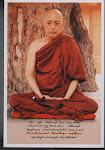
သူငယ္ေတာ္ေတာရ ဆရာေတာ္၏ ေန ့စဥ္ေဟာျပ ၾသ၀ါဒ (၁၁)

အရယူတတ္ၾကပါေစ

ယခုလိုရခဲလွေသာ လူ ့ဘ၀ၾကီးကို ရေနရုံတင္မကဘဲ ၾကံဳခဲလွေသာ ဗုဒၶၿမတ္စြာသာသနာေတာ္ၾကီးနဲ ့ ၾကံဳေနတုန္း ဒါနကို ဧရာတည္၊ သီလၿဖင့္ တန္ဆာဆင္၊ ဘာ၀နာၿဖင့္ အထြဋ္တင္ၿပီးေတာ့ အခြင့္ေကာင္းၾကီးကို လက္မလြတ္ၾကေစနဲ ့။ အရယူတတ္ၾကပါေစ။

ကုသိုလ္ေလရြက္ အထက္ကိုဆန္

ဘုန္းၾကီးတို ့ ေယာဂီသူေတာ္စင္ေတြ တရားစခန္း၀င္ၿပီး အရိယာသူေတာ္ေကာင္းၾကီးေတြ နည္းမွီးၿပီး ခႏၶာဥာဏ္စိုက္၍ ၀ိပႆနာတရားေတြ ၾကိဳးစားက်င့္ၾကံေနတာဟာ မိမိတို ့ရဲ ့ ကုသိုလ္ေလွရြက္ၾကီးကို အထက္ကို ဆန္တက္ေအာင္ ၿပဳလုပ္ေနၾကတာပဲ။ နိဗၺာန္ထိေအာင္ ဆန္တက္ၾကရမယ္ မဟုတ္လား။

တရားအားထုတ္ရၿခင္းအေၾကာင္း

ဘုန္းၾကီးတို ့ ေယာဂီသူေတာ္စင္ေတြ ဘာေၾကာင့္ တရားအားထုတ္ရတာလဲလို ့ ေမးရင္ အရိယာ သူေတာ္ေကာင္းၾကီေတြ ၿမင္ေတာ္မူ၊ ရေတာ္မူတဲ့ သႏိၱသုခ နိဗၺာနဓာတ္ (အၿငိမ္းဓာတ္) ၾကီးကို ရၿပီး အုိနာေသဇာတ္ အၿမစ္ၿပတ္ခ်င္လို ့ တရားအားထုတ္ရၿခင္း ၿဖစ္တယ္လို ့ ေၿဖရပါလိမ့္မယ္။

ဆက္လက္ဖတ္ရႈရန္

What is Buddhism? (အပိုင္း ၄)

The Law Of Kamma

The Buddha said, "Monks, kamma is intention." According to the natural law of kamma (or karma), there are inescapable results of our intentional actions. Certain acts, things said or thought will lead to hurting others or harming oneself if the intention behind them is unwholesome. This 'bad kamma' is motivated by selfish desire, anger or delusion. Because the result is unpleasant and painful, wise people don't follow impure intentions. Similarly there are actions, speech and thoughts which stem from wholesome intentions. This 'good kamma' leads to the well-being of both oneself and others. Motivated by generosity, compassion, clarity of understanding and other positive states of mind, wise people cultivate and follow up on their pure intetions.

Much, though not all, of what one experiences is the result of one's previous kamma. So when one finds oneself in an unpleasant situation, rather than projecting blame on others one can examine one's own past conduct and take responsibility for the causes that led up to the situation. Likewise when one is feeling happy, instead of taking it for granted one looks to understand the previous causes and conditions that brought it about. Understanding how happiness originates encourages further good kamma.

The Buddha pointed out that no being, divine or not, has the power to stop the consequences of good or bad kamma. One reaps exactly what one sows. So if you want to be wealthy, then be generous, hard-working and trustworthy. If you want to go to heaven, be virtuous, be kind and meditate. If you want to be enlightened, develop insight based on deep peace of mind.

The only escape from the results of kamma is enlightenment. Until then however, it is possible to attenuate the severity of the consequences of bad kamma by increasing the good. The Buddha gave the simile of a spoon of salt mixed in a glass of water compared to a spoon of salt mixed in a large river. The glass of water becomes undrinkable while the taste of the water in the river is hardly affected. Similarly, the results of bad kamma for a person only doing a small amount of good kamma is very painful, while the result of the same bad kamma for a person habitually doing a great deal of good kamma is much less severe.

Understanding this natural law of cause and effect leads to an ethical, compassionate and wise life. Furthermore, a wider embracing of the law of kamma would lead any country towards a stronger, more caring and virtuous society.

(to be continued....)


ဆက္လက္ဖတ္ရႈရန္

Thursday, August 20, 2009

What is Buddhism? (အပိုင္း ၃)

The Middle Way

The path to the ending of all suffering is called the Middle Way because it avoids the two extremes of self-indulgence and self-torment. Such extreme behavior does not lead to peace of mind. This pathway consists of cultivating virtue, meditative serenity and wisdom and is further elaborated as the Noble Eightfold Path:

1. The perfection of understanding: right view of the basic truths of existence.
2. The perfection of intention: thoughts motivated by loving-kindness, compassion and renunciation.
3. The perfection of speech: truthful, harmonious, gentle and meaningful.
4. The perfection of behavior: non-violence, not stealing and responsible sexual conduct.
5. The perfection of employment: earning a living in a way that does not harm or exploit others or oneself.
6. The perfection of effort: cultivating and maintaining wholesome states of mind while overcoming unwholesome states and keeping them at bay.
7. The perfection of conscious awareness: mindfulness of ones body, feelings, mind and objects of mind.
8. The perfection of meditative concentration: deep unification, peace and purity of mind.

When all eight factors of the path are brought to maturity, one penetrates the true nature of existence with insight and reaps the fruit of the Buddha's teachings: perfected wisdom and unshakable liberation.

(to be continued....)
ဆက္လက္ဖတ္ရႈရန္

Thursday, August 13, 2009

What is Buddhism? (အပိုင္း ၂)

The Four Noble Truths

The central teaching of the Buddha, around which all his other teachings revolve, is the Four Noble Truths:

1. Life involves suffering. All beings are subject to old age, sickness and death. They will inevitably experience some disappointment, discomfort, sadness, anxiety or pain.

2. The root cause of suffering is craving for sensual pleasure, for existence, for non-existence or for things to be different than they are. Craving is fueled by likes and dislikes, driven by the illusion of 'me' and 'mine', which in turn is due to misunderstanding the true nature of reality.

3. Suffering ends with the ending of craving. This is the attainment of enlightenment, Nibbana (or Nirvana). Enlightenment is the complete letting go of the illusion of a permanent and independent self or soul. An enlightened person is called an Arahant.

4. Enlightenment is achieved through a gradual training, a path called the Middle Way, or the Noble Eightfold Path.

Buddhism is a realistic religion in that it faces up to the fact of life's many imperfections, and optimistic in that it offers a practical solution: enlightenment in this very life.

Because all things that arise from a cause are in a constant state of change, they are inherently unable to provide permanent happiness or reliable satisfaction. Grasping and clinging onto any aspect of experience leads to friction, stress or disappointment when those things, people or situations fade and disappear. As long as suffering is seen as something unnatural or abnormal that is to be feared, avoided or rejected, it will be impossible to uproot its causes and live a truly happy life. To the degree that the subtle and all-pervasive nature of suffering is recognized, one can accept and be free from it. This is why the reflection on suffering is emphasized as the key to ultimate liberation, and those who have realized enlightenment are inspiring examples of profound happiness, loving-kindness and compassion.

(to be continued...)
ဆက္လက္ဖတ္ရႈရန္

Wednesday, August 12, 2009

သူငယ္ေတာ္ေတာရ ဆရာေတာ္၏ ေန ့စဥ္ေဟာျပ ၾသ၀ါဒ (၁၀)

ေနာင္ေရး ေအးရေအာင္

သရဏဂုံစဲြ၊ သီလၿမဲ၊ ဘာ၀နာလဲတဲြ။ သံသရာ အေရးေမွ်ာ္ကာေတြး ေနာင္ေရးေအးေအာင္ ၾကိဳးစားၾက။

အခြင့္ေကာင္းကို လက္မလြတ္ၾကေစနဲ ့

ေယာဂီသူေတာ္စင္မ်ားအားလုံး လူ ့ဘ၀ရခိုက္ ဗုဒၶၿမတ္စြာသာသနာေတာ္ၾကီး နဲ ့ ေတြ ့ၾကံဳေနခိုက္၊ က်န္းမာေရးနဲ ့လည္း ၿပည့္စံုေနတုန္း အခြင့္အခါေကာင္းကို လက္မလြတ္ၾကေစဘဲ၊ ၀ိပႆနာဘာ၀နာတရားကို ၾကိဳးစားအားထုတ္သင့္ၾကပါတယ္လို ့ ဘုန္းၾကီးကသတိေပးပါတယ္။

ေ၀ဒနာေရွာင္ခြာနည္း သုံးမ်ိဳး

ေယာဂီသူေတာ္စင္ေတြ တရားမွတ္တဲ့အခါမွာ ကိုက္ခဲေညာင္းညာ ေ၀ဒနာေပၚလာၿပီဆိုရင္ ေ၀ဒနာေရွာင္ခြာနည္း ( ၃ ) မ်ိဳး ရွိတယ္။ ပူးကပ္ခြာ၊ ေရွာင္ခြာ၊ နဲနဲေလးဣရိယာပုတ္ကို ၿပင္ၿပီးေတာ့ခြာ၊ ေနာက္ဆုံးနည္းကေတာ့ အာစရိယ၀ါဒအရ အညံ့ဆုံးေ၀ဒနာခြာနည္းၿဖစ္တယ္။

ေ၀ဒနာႏုပႆနာကမၼ႒ာန္း စီးၿဖန္းတဲ့အေနၿဖင့္ ေ၀ဒနာရဲ ့သေဘာသိေအာင္ ေ၀ဒနာရဲ ့ေနာက္ အသာကပ္လိုက္သြားၿပီး ရႈမွတ္ပြားမ်ားၿခင္းကို ေ၀ဒနာကုိ ပူးကပ္ခြာနည္းေခၚတယ္။ မူရင္းအမွတ္ ၀င္ေလထြက္ေလကိုပဲ စိတ္စိုက္ၿပီးေတာ့ ခံစားေနရတဲ့ေ၀ဒနာကို ဂရုမစိုက္ဘဲ မွတ္ေနၿခင္းကို ေ၀ဒနာေရွာင္ခြာတဲ့နည္းလို ့ ေခၚတယ္။ ခံစားေနရတဲ့ေ၀ဒနာကို မခဲသာတဲ့အဆံုး မွတ္စိတ္ကေလးနဲ ့ ဣရိယာကိုၿပင္ၿပီးေတာ့ မွတ္ၿခင္းကိုေတာ့ အညံ့ဆုံးေ၀ဒနာခြာနည္းလို ့ မွတ္ရမယ္။


ဆက္လက္ဖတ္ရႈရန္

Tuesday, August 11, 2009

ဆရာၾကီး ေရႊဥေဒါင္း၏ ဒိေ႒ဒိ႒မတၱံ လက္ေတြ ့က်င့္စဥ္ (၁၀)

စဥ္းစားေတြးေတာ၍ မၿဖစ္

အထက္တြင္ ေရးသားေဖာ္ၿပခဲ့သမွ်မွာ ေအာက္တြင္ ေရးသားေဖာ္ၿပလတၱံ ့ေသာ အေၾကာင္းအရာမ်ားအတြက္ ပဏာမပ်ိဳးလိုက္ၿခင္းမွ်သာ ၿဖစ္သည္။

ဗုဒၶေဟာေတာ္မူခဲ့သည့္ တရားေတာ္မ်ား၏ အဆီအႏွစ္ အက်ဥ္းခ်ဳပ္မွာ ရုပ္ဓမၼ၊ နာမ္ဓမၼတို ့၏ သေဘာ သဘာ၀တၱ အစစ္အမွန္ကို သိၿမင္ၾကေစၿခင္းအတြက္မွ်သာ ၿဖစ္၏ ။ ေလာကဟူသည္ ဘယ္မွ်ေလာက္ က်ယ္၀န္းသည္ၿဖစ္ေစ၊ လိုရင္းအခ်ဴပ္၌ ရုပ္ႏွင့္ နာမ္မွ်သာ ရွိ၏။ တစ္နည္းဆိုေသာ္ ခႏၶငါးပါးမွ်သာ ရွိ၏။ ခႏၶငါးပါးအနက္တြင္လည္း တစ္ပါးပါးကို ယထာဘူတက်က်သိလွ်င္ ကိစၥၿပီးႏိုင္သည္ဟု ေဟာေတာ္မူ၏ ။

ရုပ္အေၾကာင္းကို က်ယ္၀န္းစြာသိၾကေသာ ေလာကဓာတ္ဆရာၾကီးမ်ား၊ စိတ္အေၾကာင္းကို အေသးစိတ္သိၾကေသာ စိတ္ပညာဆရာၾကီးမ်ားသည္ အဘယ့္ေၾကာင့္ အရိယာေတြ ၿဖစ္မကုန္ၾကဘိသနည္း။ အထက္ပါ ကြ်န္မသည္ စိတ္အေၾကာင္းကို တစ္ခ်က္တည္း သိၿမင္လိုက္ကာမွ်ႏွင့္ အဘယ့္ေၾကာင့္ ေသာတာပန္ ၿဖစ္ပါေလသနည္း။ ပညာရွိၾကီးမ်ား၏ သိၿခင္းသည္ ယထာဘူတမက်၊ ကၽြန္မ၏ သိၿခင္းသည္ ယထာဘူတ က်ၿခင္းေၾကာင့္ ဟူ၍ ေၿဖဆိုရေပမည္။

အၾကင္သူသည္ အဘယ္မွ်ေလာက္ ဦးေႏွာက္ေကာင္း၍ ရုပ္အေၾကာင္း၊ သို ့မဟုတ္ စိတ္အေၾကာင္းမ်ားကို ကိုယ့္ဟာကိုယ္ တစ္သက္ပတ္လုံး စဥ္းစားဆင္ၿခင္ေစကာမူလည္း ( ဗုဒၶ အလိုေတာ္ရွိသည့္အတိုင္း ) ယထာဘူတက်က် သိၿမင္ႏိုင္လိမ့္မည္ မဟုတ္ေခ်။ ေလာကီပညာရွိၾကီးတစ္ေယာက္ကားၿဖစ္လာႏိုင္ေပသည္။ သို ့ေသာ္အရိယာပုဂၢိဳလ္တစ္ဦး ၿဖစ္လာႏိုင္လိမ့္မည္ မဟုတ္ေခ်။ ကိုယ့္နည္းႏွင့္ကိုယ္ ထိုးထြင္းသိၿမင္ႏိုင္သည္ ဆိုလွ်င္လည္း ( ဗုဒၶ၏ က်မ္းဂန္မ်ားအရ ) ပေစၥကဗုဒၶတစ္ဆူ ၿဖစ္လာရေပေတာ့မည္။ သို ့ဆုိလွ်င္ ရုပ္
သို ့မဟုတ္ စိတ္အေၾကာင္းကို ယထာဘူတက်က် သိၿမင္ေအာင္ ဘယ္ကဲ့သို ့ၿပဳလုပ္ရပါမည္နည္း။

ဤအခိ်န္ ဤေနရာ

ရုပ္တရား နာမ္တရားတို ့၏ သဘာ၀ကို ထိုးထြင္းၿမင္ႏိုင္ေစၿခင္းငွာ နည္းအမ်ိဳးမိ်ဳး ေဟာေတာ္မူခဲ့သည့္အနက္ ကြ်ႏု္ပ္အလြန္ႏွစ္သက္၍ ယုံယုံၾကည္ၾကည္ ေလ့လာခဲ့ေသာနည္းမွာ ဘာဟိရႏွင့္ မာလုက်ပုတၱတို ့အား ေဟာၿပေတာ္မူခဲ့သည့္ “ ဒိေ႒ဒိ႒မတၱံ ” ဟူေသာ နည္းပင္ၿဖစ္သည္။

ၿမင္ကာ မတၱ၊ ၾကားကာ မတၱၿဖင့္ ၿပီးဆုံးေစ၍ ရွည္လ်ားစြာေတာက္ေလွ်ာက္ၾကီး လိုက္မသြားရေအာင္ အားထုတ္ေသာ ပုဂၢိဳလ္သည္ (နံပါတ္ ၁ ေဆာင္းပါးတြင္ ေဖာ္ၿပခဲ့ဖူးသည့္အတိုင္း ) မိမိ၏စိတ္ကို ပစၥဳပၸန္တည့္တည့္အေပၚတြင္ ထားႏိုင္ေသာ အေလ့အက်င့္ ရင့္က်က္လာေပလိမ့္မည္။ အခ်ိန္ကာလ အားၿဖင့္ ပစၥဳပၸန္၊ ႒ာနအားၿဖင့္ ဤေနရာ ( now & here ) မွတပါး အၿခားသို ့စိတ္ေရာက္မသြားေစရေအာင္ “ သတိ ” ကို ေမြးၿမဴရသည္။ လြန္ေလၿပီးေသာ အတိတ္အေၾကာင္းကိုလည္းေကာင္း၊ မိမိရွိေနေသာ ႒ာနမွတပါး ထိုထိုေသာအရပ္၊ ထိုထိုေသာေနရာမ်ားအေၾကာင္းကို လည္းေကာင္း စိတ္ကူးေတြးေတာၿခင္း မၿပဳလုပ္မိေစရန္ “ သတိ” ၿဖင့္ ေစာင့္ထိန္းရသည္။ ဤအလုပ္သည္ လြယ္ကူသလို ထင္ရေသာ္လည္း လုပ္ၾကည့္ေသာအခါ မလြယ္ကူပုံ အၿခင္းအရာကို နံပါတ္ ( ၁ ) ေဆာင္းပါးတြင္ ေဖာ္ၿပခဲ့ေလၿပီ။

ပရမတ္ ဆတ္ဆတ္သေဘာ

“ ၾကားကာမတၱ၊ ၿမင္ကာမတၱ ” တည္းဟူေသာ လုပ္ရပ္၏ အဖိုးတန္ပုံမွာ ဤသို ့တည္း။

ၾကားလိုက္သည္ႏွင့္ တၿပိဳင္နက္၊ ၿမင္လိုက္သည္ႏွင့္ တၿပိဳင္နက္ အာရုံေနာက္သို ့လိုက္၍ ရွည္လ်ားစြာ စဥ္းစားေနၾကေသာ ( သတၱ၀ါတို ့၏ သံသရာတစ္ေလွ်ာက္လုံး ) အေလ့အက်င့္ကို အထိုက္အေလ်ာက္ ခ်ိဳးႏွိမ္ႏိုင္ေသာအခါ အၾကင္ေယာဂီပုဂိၢဳလ္၏ စိတ္သည္ ၾကားေသာအခိုက္တြင္ “အသံ” အေပၚ၌သာ ၿပီးဆုံးသြား၏ ။ ၿမင္ေသာအခိုက္တြင္ “ အဆင္း ” အေပၚ၌သာ ၿပီးဆုံးသြား၏ ။ နံေသာအခိုက္တြင္ “အနံ” အေပၚ၌သာ ၿပီးဆုံးသြား၏။ စားေသာအခိုက္တြင္ “အရသာ” အေပၚ၌သာ ၿပီးဆုံးသြား၏။ ထိေတြ ့ေသာ အခိုက္တြင္ “အေတြ ့” အေပၚ၌သာ ၿပီးဆုံးသြား၏ ။

အဆင္း၊ အနံ ့၊ အသံ၊ အရသာ၊ အေတြ ့ဟူေသာ သဘာ၀မ်ားသည္ စင္စစ္အားၿဖင့္ ပရမတ္ သေဘာတရား မ်ားသာ ၿဖစ္ၾက၏။ သို ့ေသာ္ အၾကင္ေယာဂီပုဂိၢဳလ္ တို ့သည္၎တို ့ကို ပရမတ္ သေဘာတရားဟူ၍ ပိုင္းပိုင္းၿခားၿခား သိၿမင္ႏိုင္ေသးသည္ မဟုတ္ေခ် ။ ဤလုပ္ရပ္၏ တန္ဖိုးရွိၿခင္းမွာကား အဆင္းသက္သက္၊ အသံသက္သက္ အစရွိသည္တို ့အေပၚ၌ခ်ည္း စိတ္ကိုထားတတ္ဖို ့ သတိႏွင့္ အေလ့အက်င့္ၿပဳလုပ္ၿခင္းသည္ ( ပရမတ္ သေဘာတရားမွန္း မသိၿမင္ေသးေစကာမူလည္း) ပရမတ္ သေဘာတရားေပၚမွာခ်ည္း ထားမိလ်က္သား ၿဖစ္ေနေလေတာ့သည္။ ဥပမာ ေရႊတုံးေတြဟူ၍ မသိေသးေစကာမူလည္း ေရႊတုံး တစ္ခုၿပီးတစ္ခုေပၚသို ့ေၿခခ်လ်က္သား ၿဖစ္ေနၿခင္းႏွင့္ တူေပေတာ့သည္။

အၾကင္ ေယာဂီပုဂိၢဳလ္သည္ ပါရမီရင့္သန္၍ အဆင္းသက္သက္ အသံသက္သက္မွ် အေပၚမွာခ်ည္း ထားႏိုင္ေအာင္ ေလ့က်င့္ႏိုင္ေသာ “ ဇဲြ ” ရွိသည္ဆိုၿငားအံ့။ တစ္ၾကိမ္တစ္ခါတြင္ အဆင္းဓာတ္၊ အသံဓာတ္တို ့၏ ပရမတ္ဆတ္ဆတ္ သေဘာကိုၿဖစ္ေစ၊ သို ့တည္းမဟုတ္ စကၡဳ၀ိညာဏ္စိတ္၊ ေသာတ၀ိညာဏ္စိတ္တို ့၏ ပရမတၱသဘာ၀ကို ၿဖစ္ေစ ( အထက္ေဖာ္ၿပပါ ကြ်န္မကဲ့သို ့) ထုိးထြင္းသိၿမင္ႏိုင္လိမ့္မည္ဟု ကြ်ႏု္ပ္ယုံၾကည္သည္။


ဆက္လက္ဖတ္ရႈရန္